CEI-Sphere Hackathon Recap
Code the Continuum
Two days, three challenges and fourteen final pitches exploring what can be built where cloud, edge and Internet of Things technologies meet.
The gathering
Two days of ideas, experimentation and collaboration
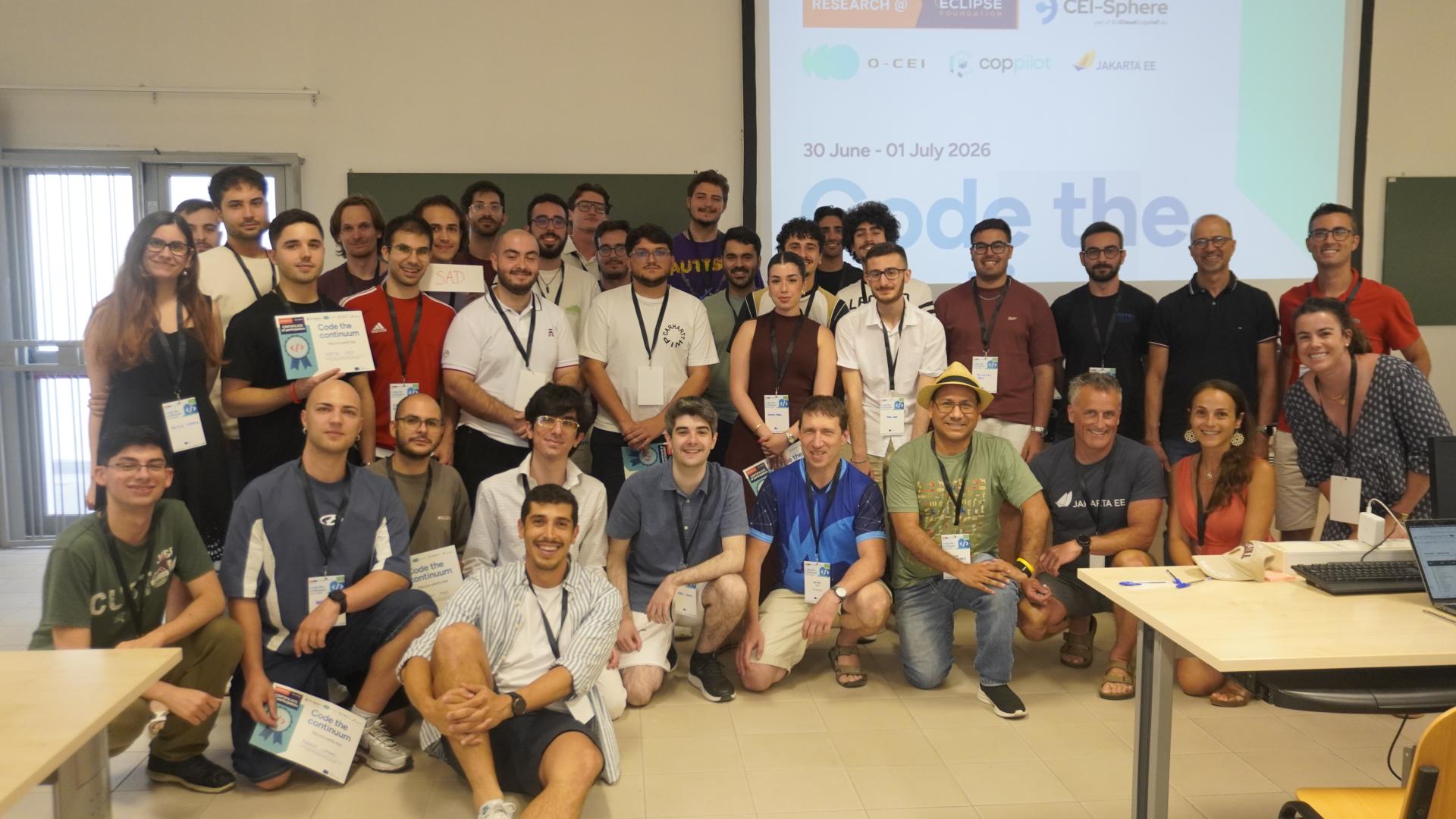
For two days, the University of Cagliari became a practical laboratory for Europe’s computing continuum. Students, developers, researchers and open-source contributors worked side by side to address real challenges involving the movement of data and the orchestration of software across cloud, edge and IoT environments.
Hosted by the University of Cagliari and organised by CEI-Sphere together with O-CEI and COP-PILOT, Code the Continuum was the first CEI-Sphere Hackathon.
The event created a space for experimentation, co-creation and knowledge exchange around open technologies, interoperability and the reuse of digital assets across Europe’s Large-Scale Pilots.
From idea to final pitch
Prototype, validate and present
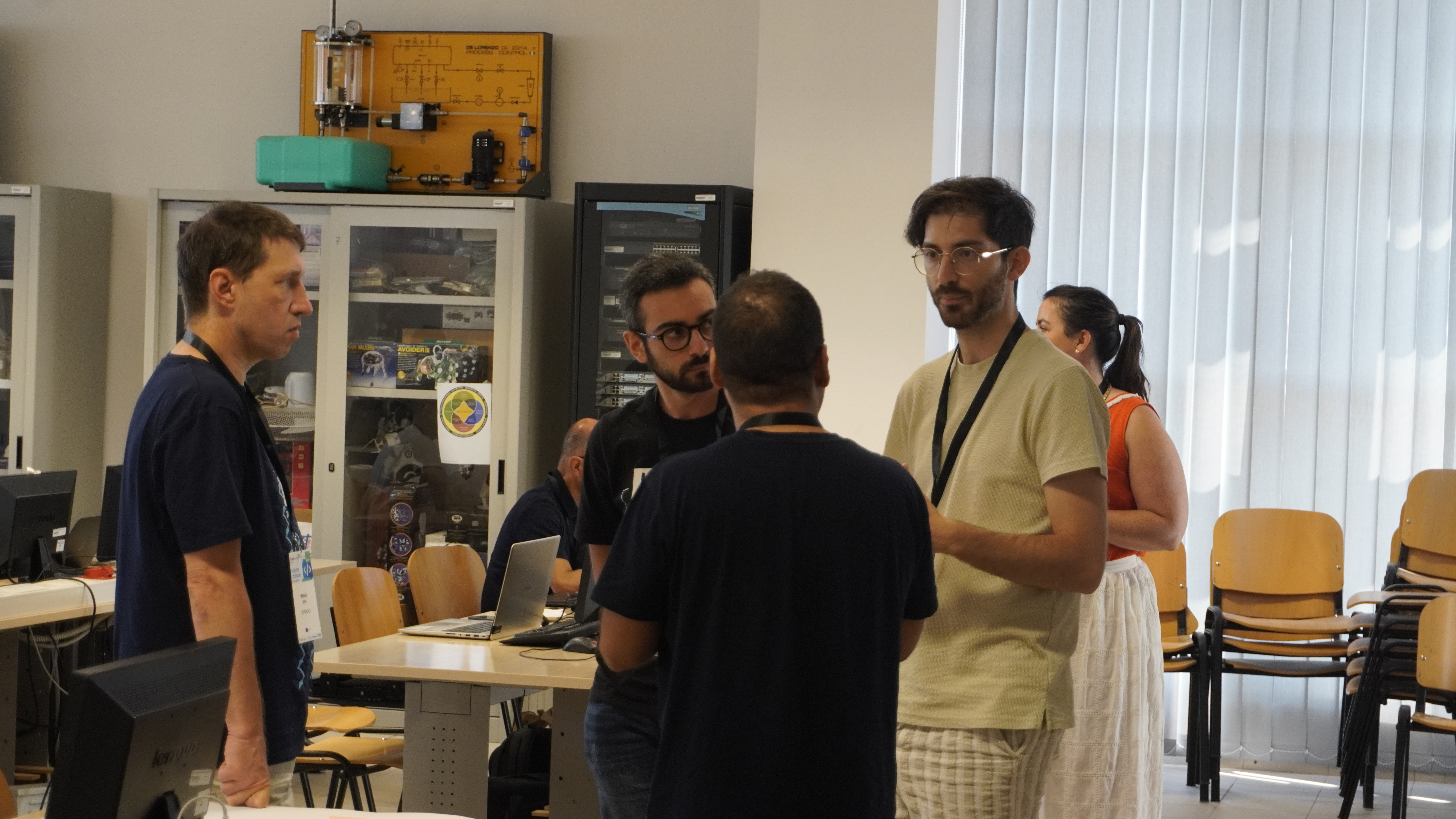
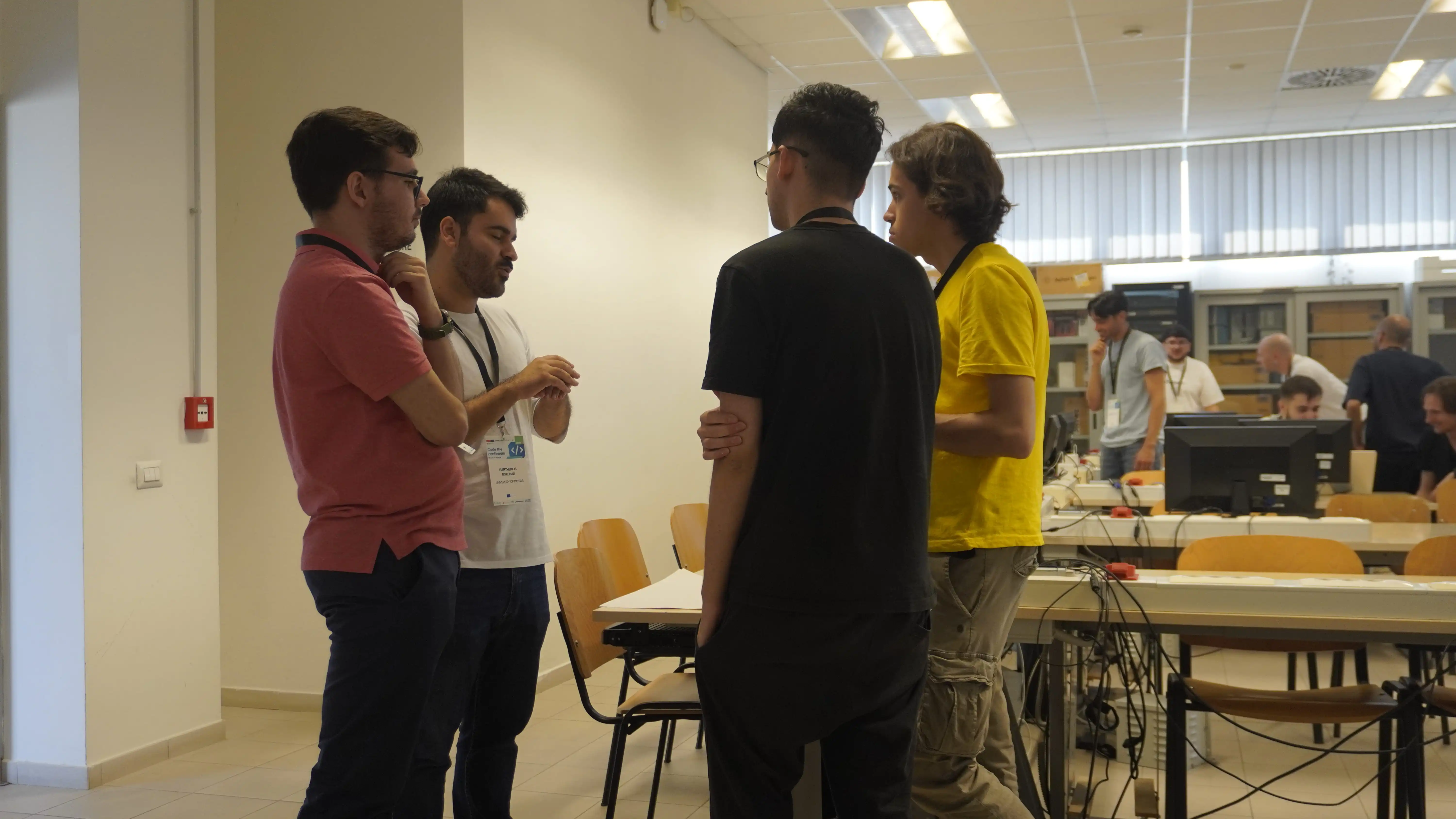
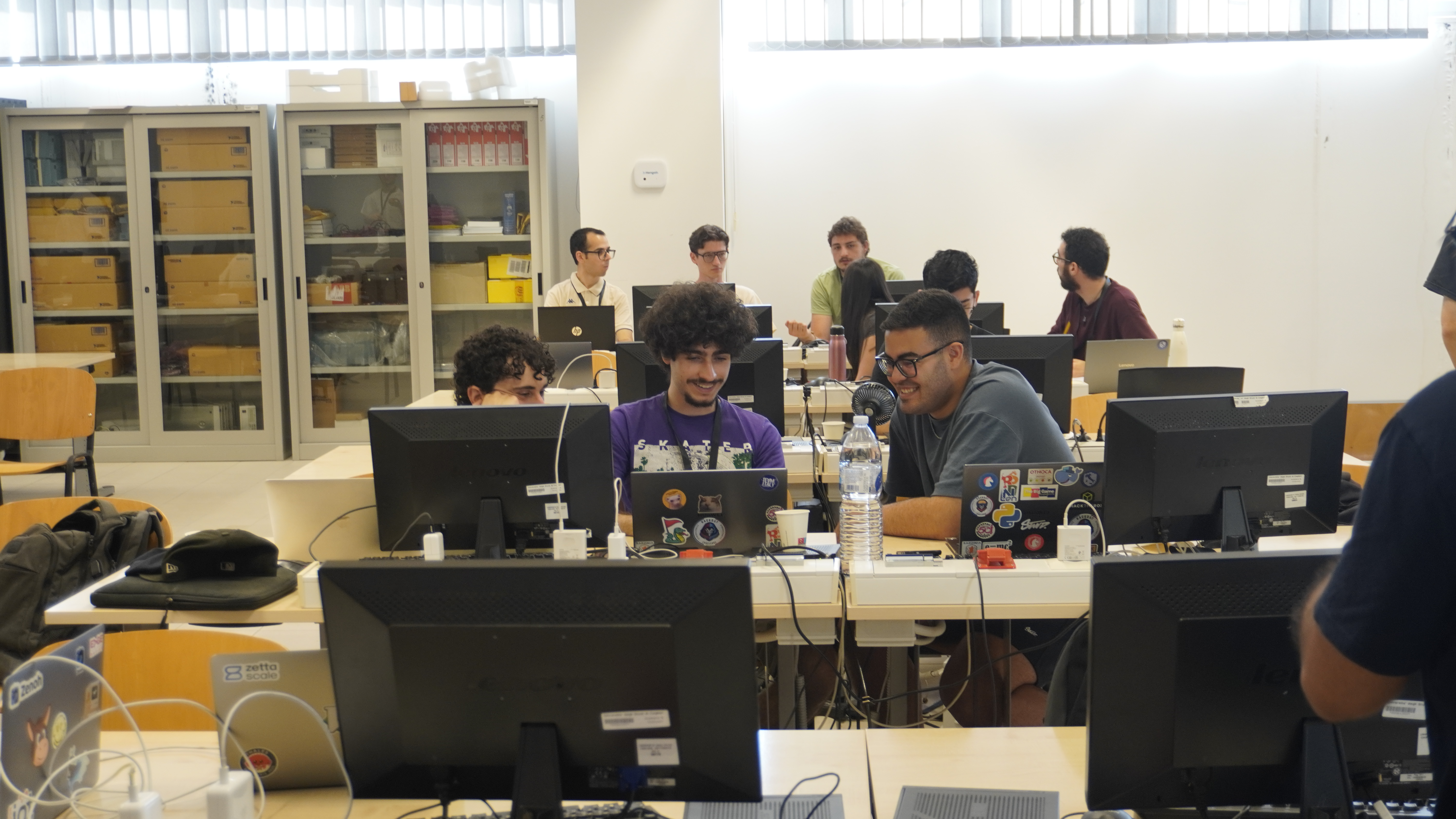
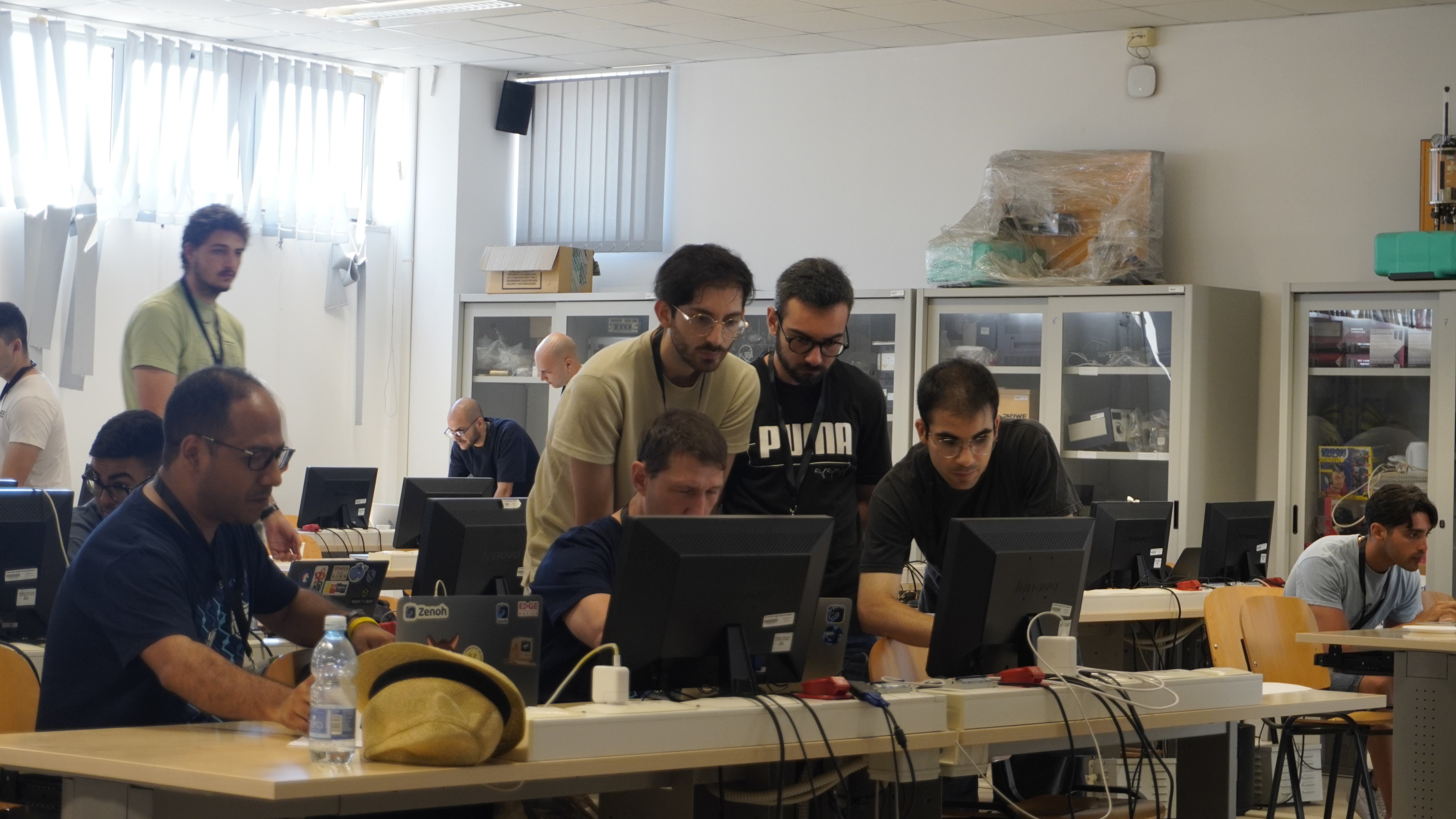
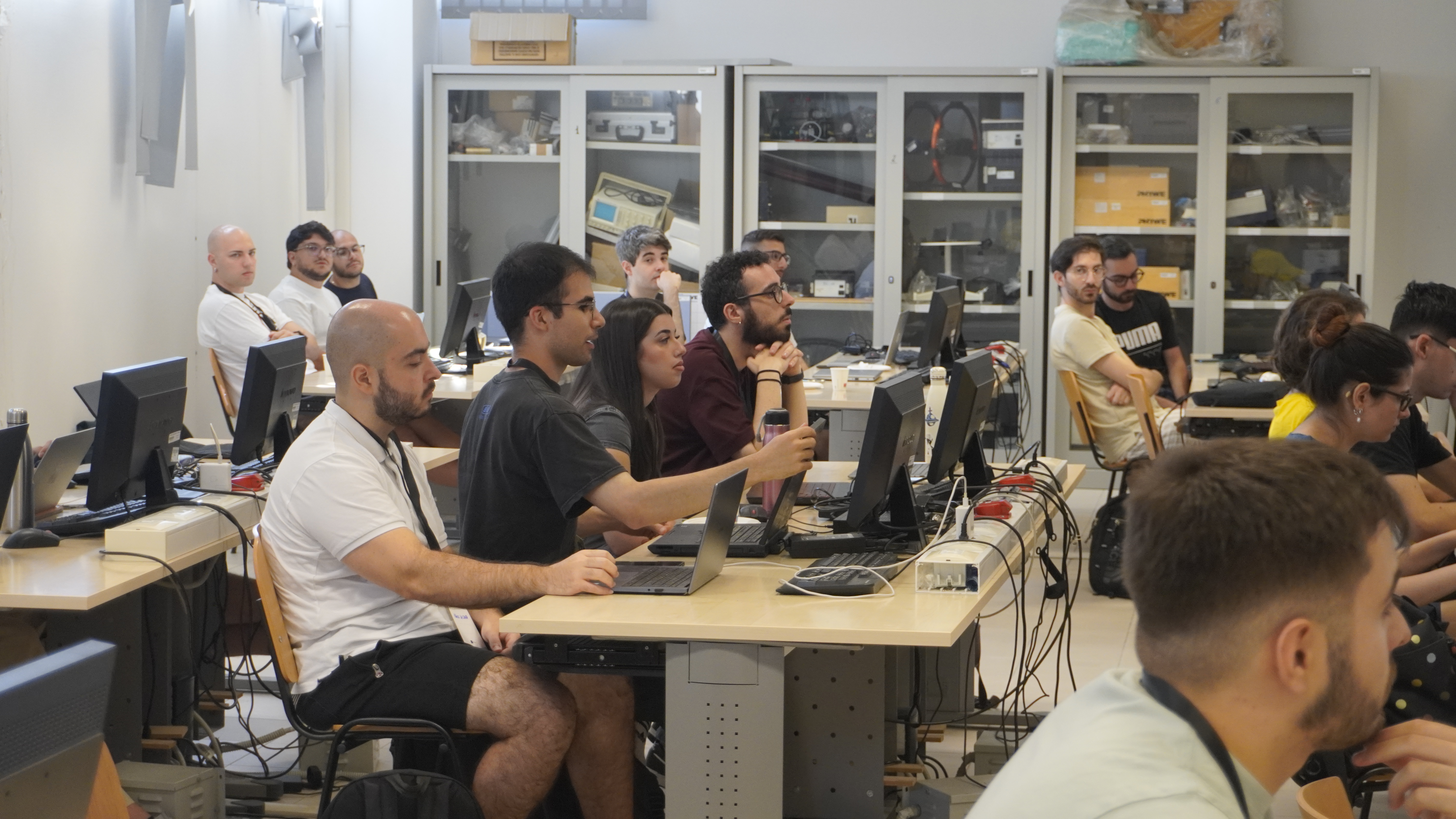
The first day focused on understanding the challenges, forming teams and beginning the development process. Participants selected one of the three proposed tracks and started turning their ideas into practical solutions.
On the second day, the teams continued developing and testing their prototypes with active support from the mentors. Expert check-ins and validation moments helped them refine both the technical implementation and the value of their proposed solutions.
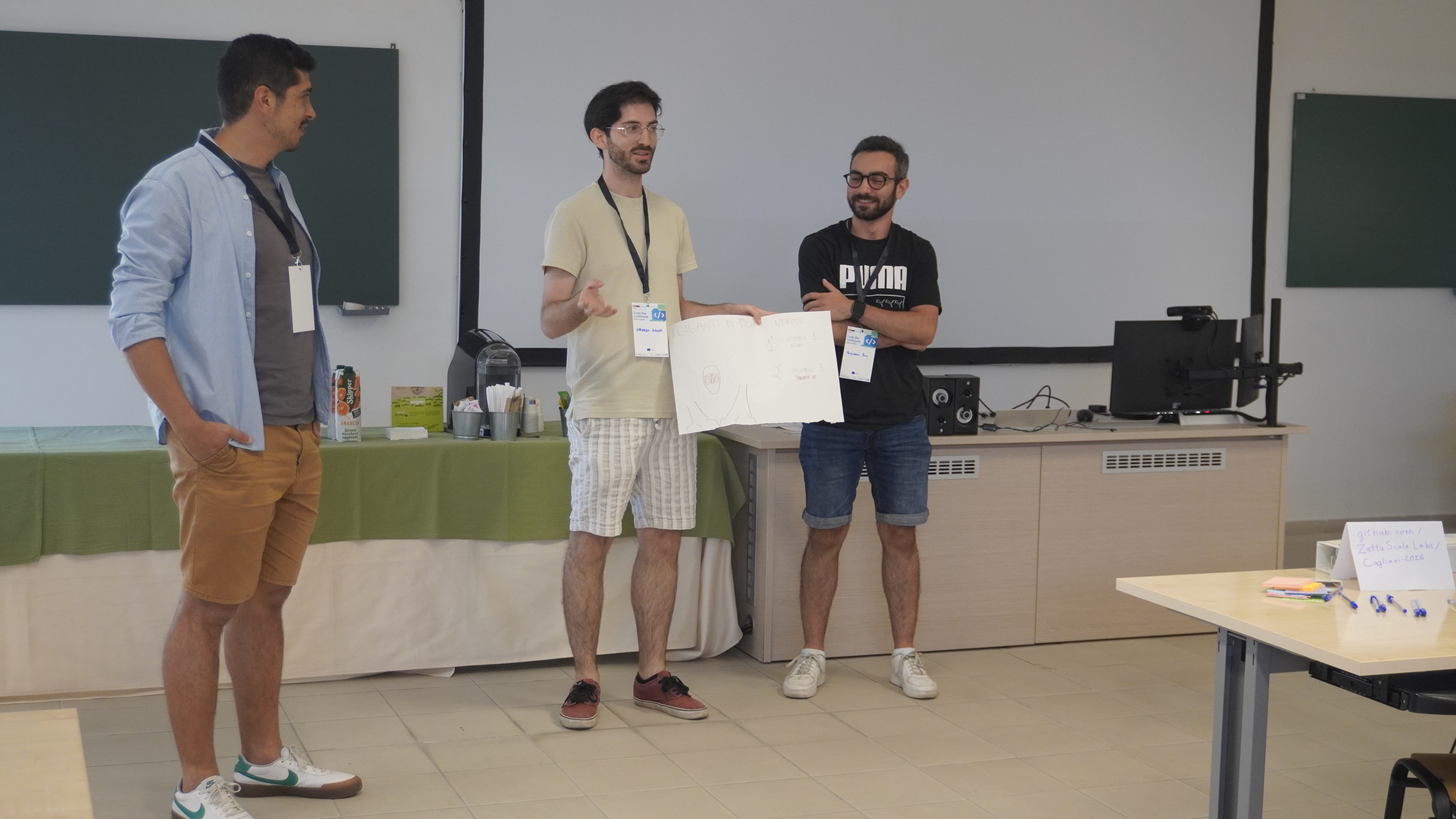
The Hackathon concluded with fourteen final pitches presented to the jury and fellow participants, followed by the evaluation, awards ceremony and closing networking session.
Inside the Hackathon
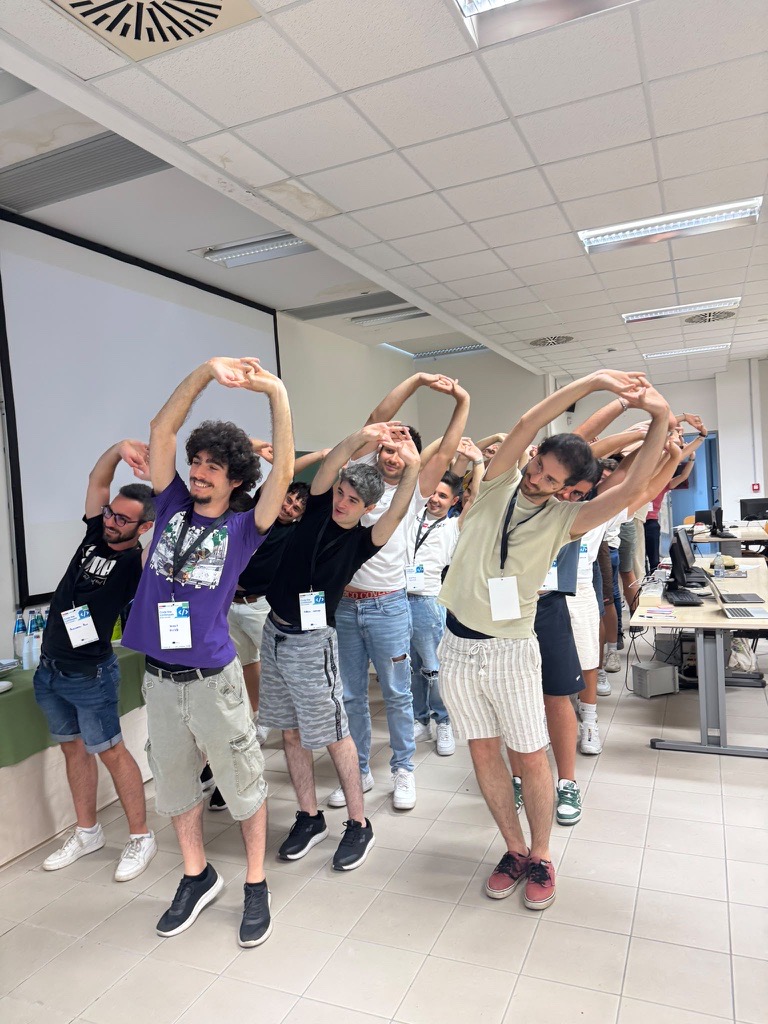
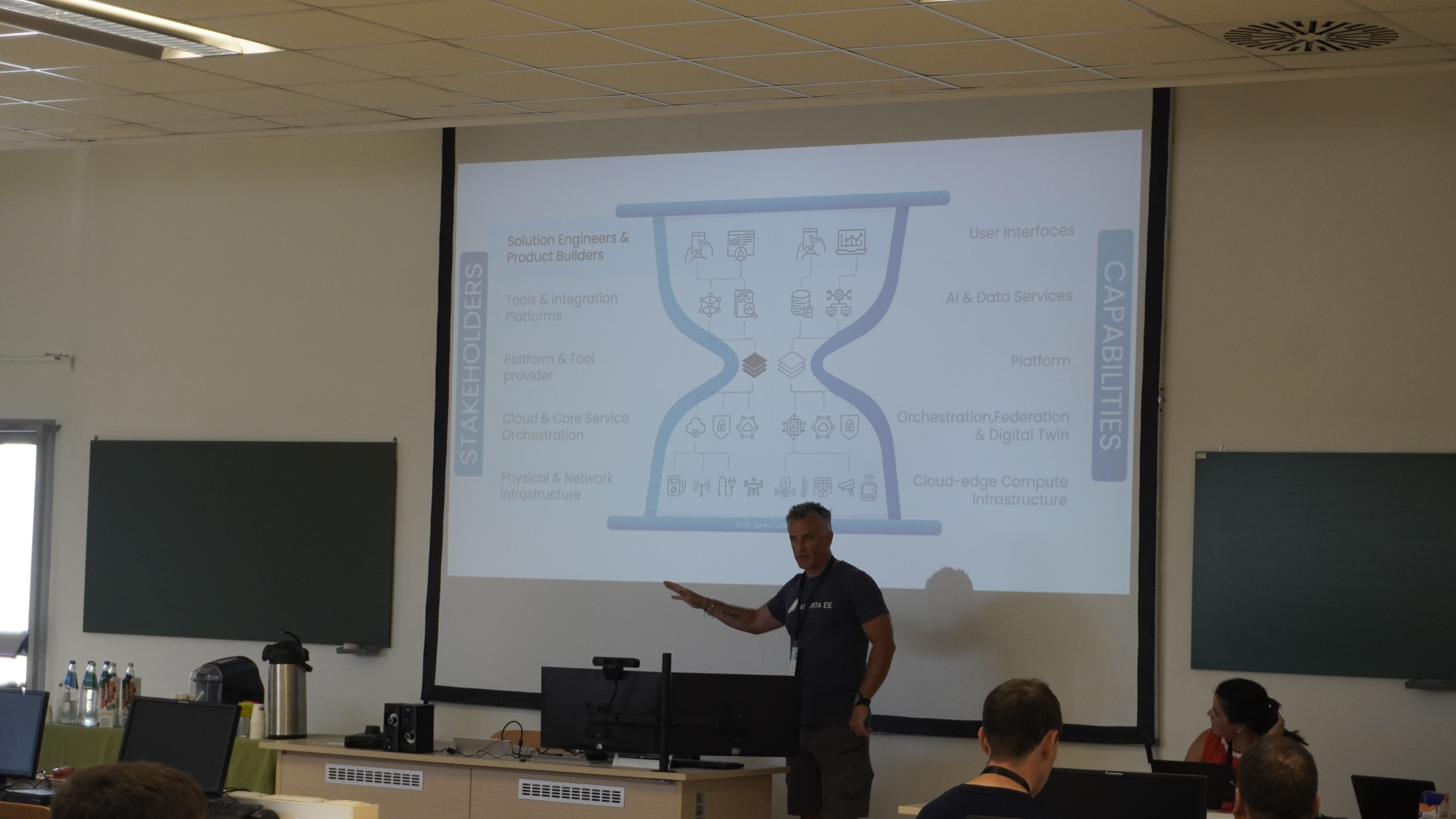
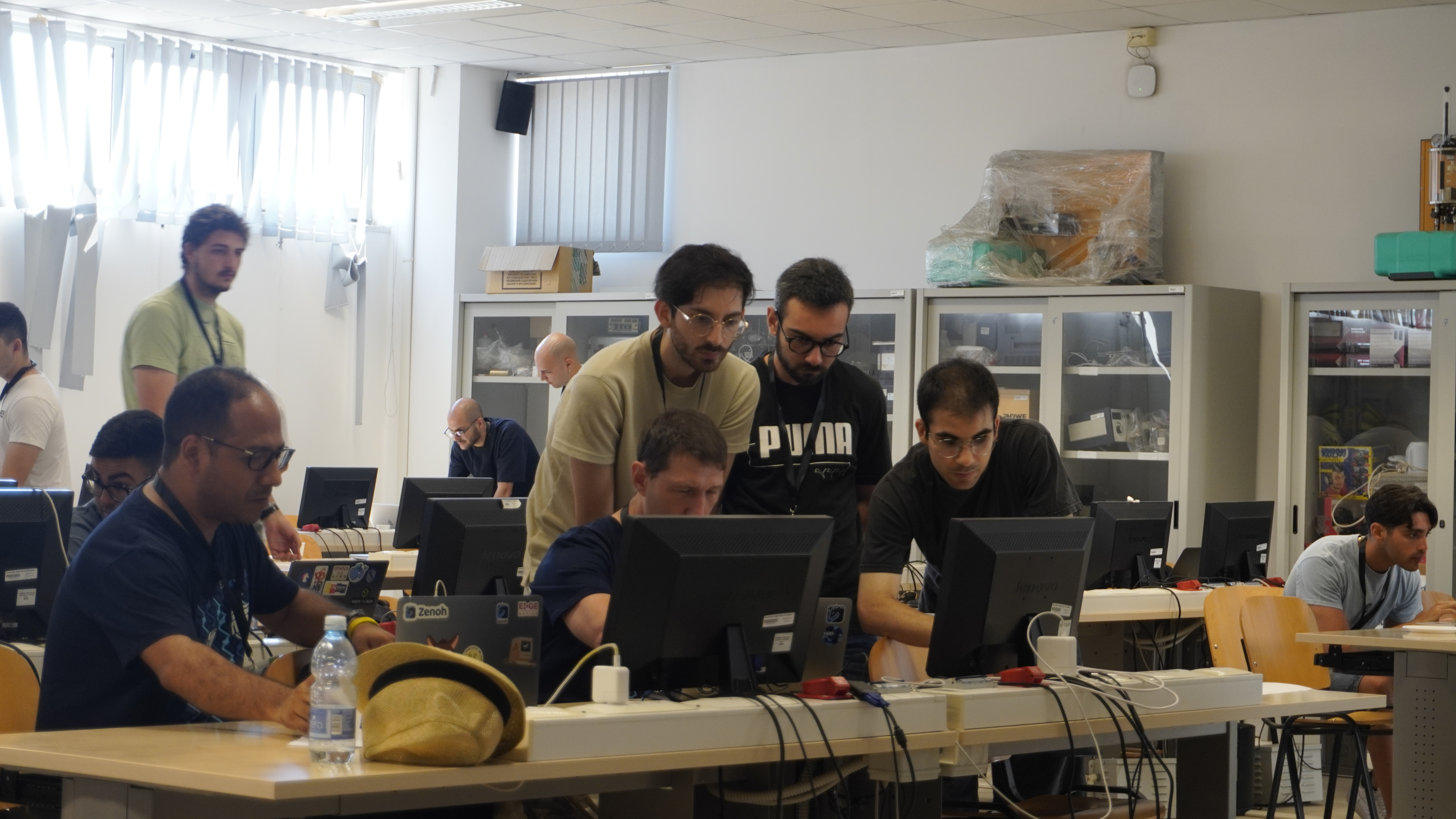
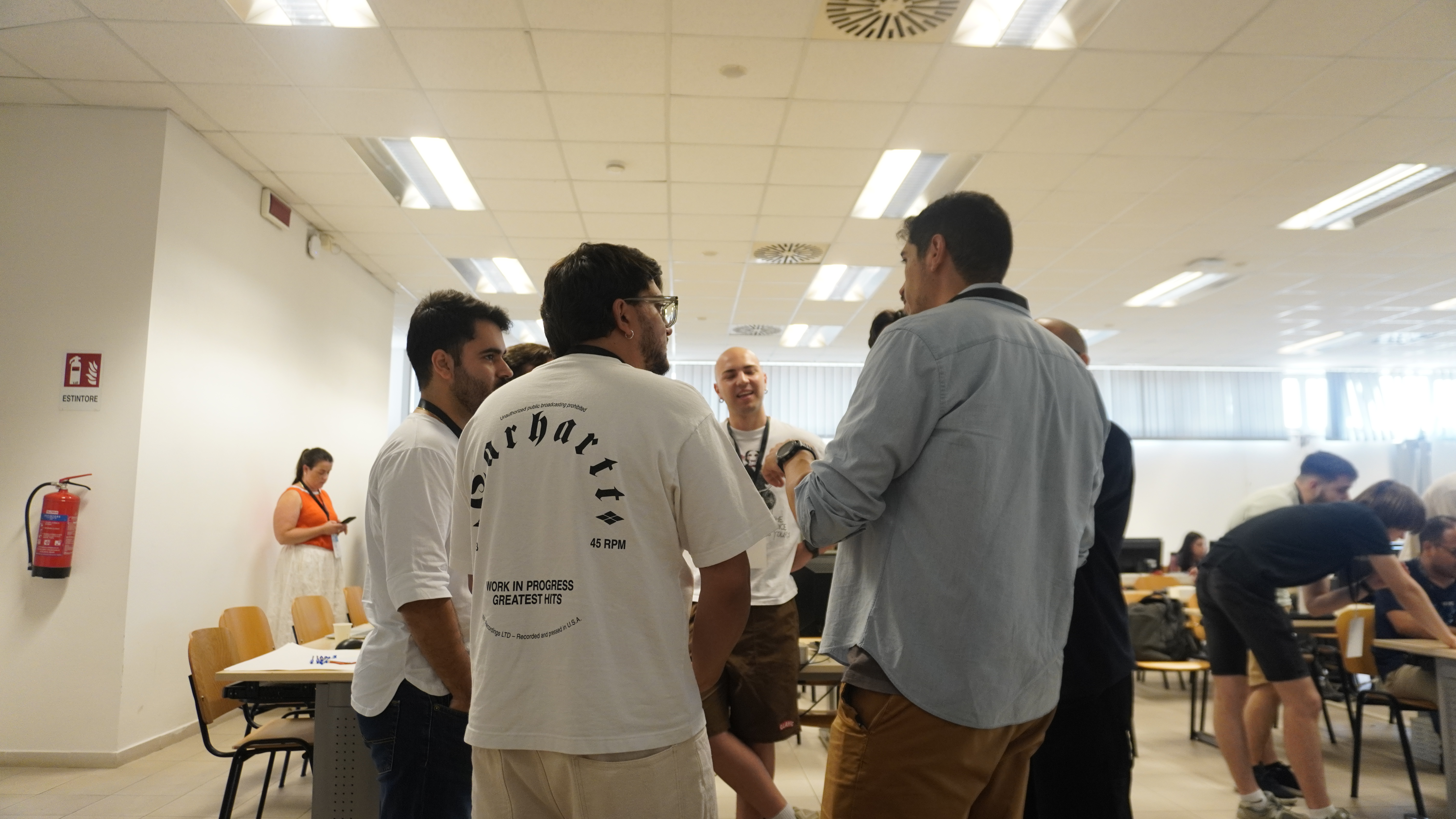
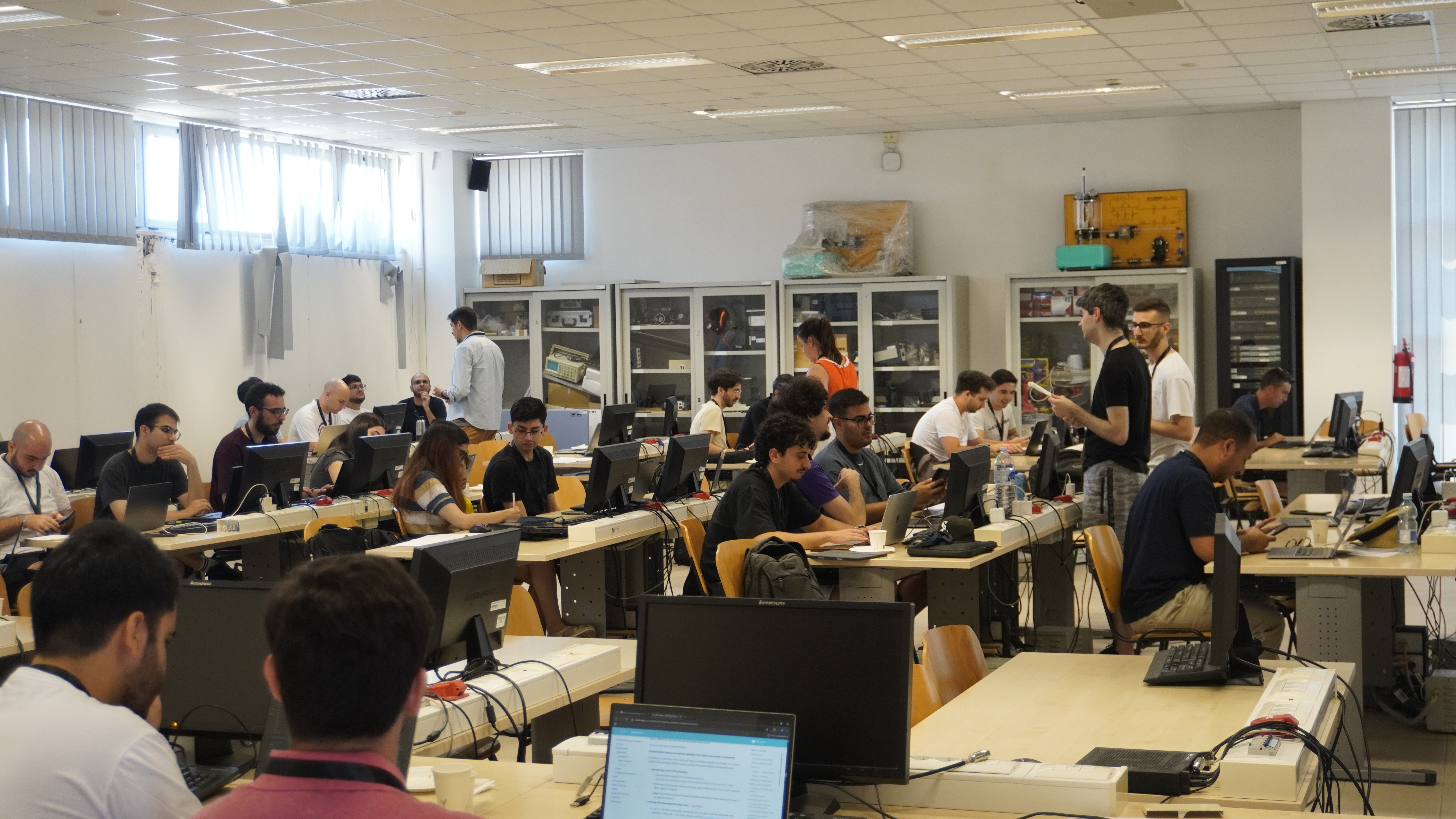
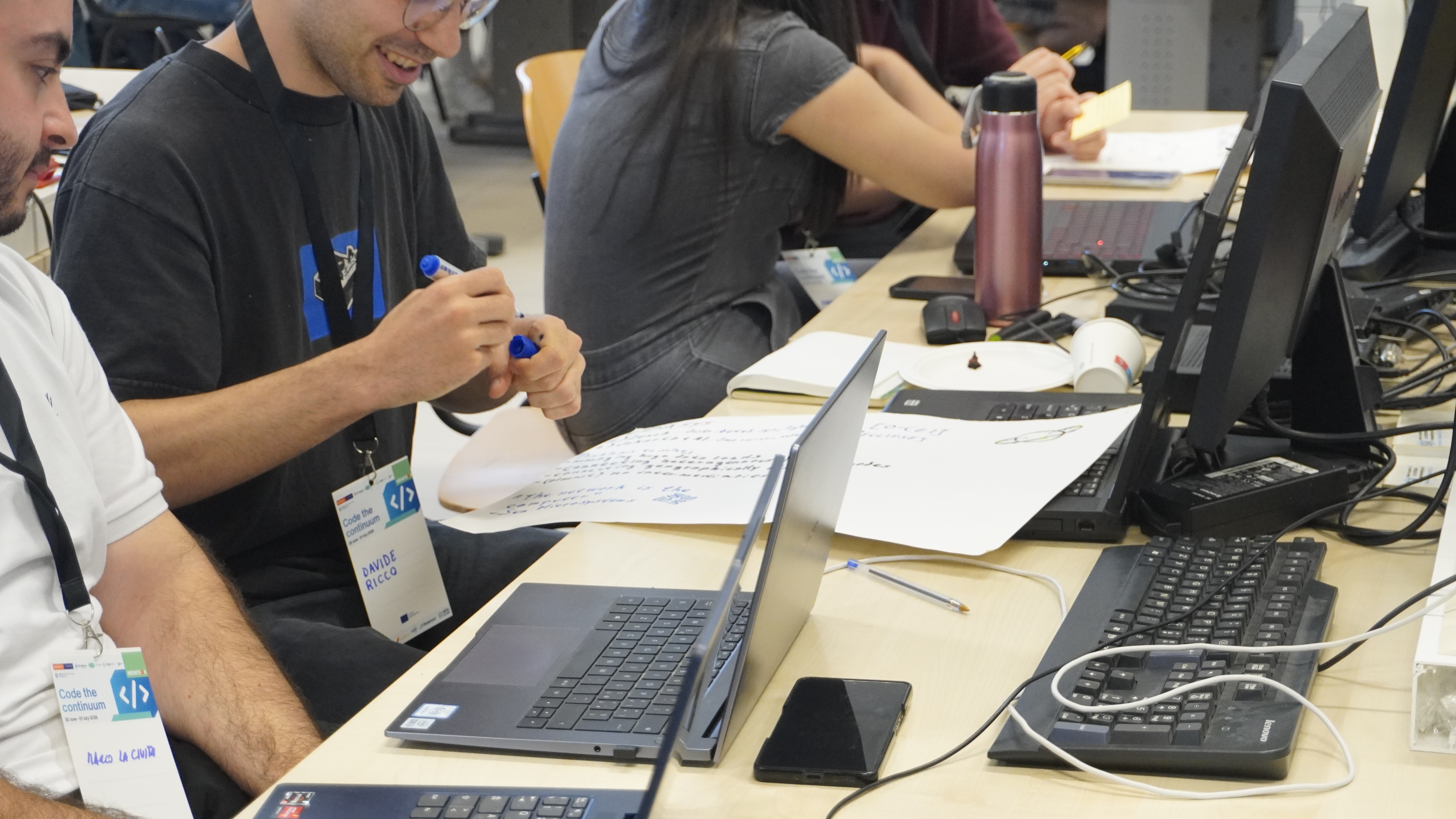
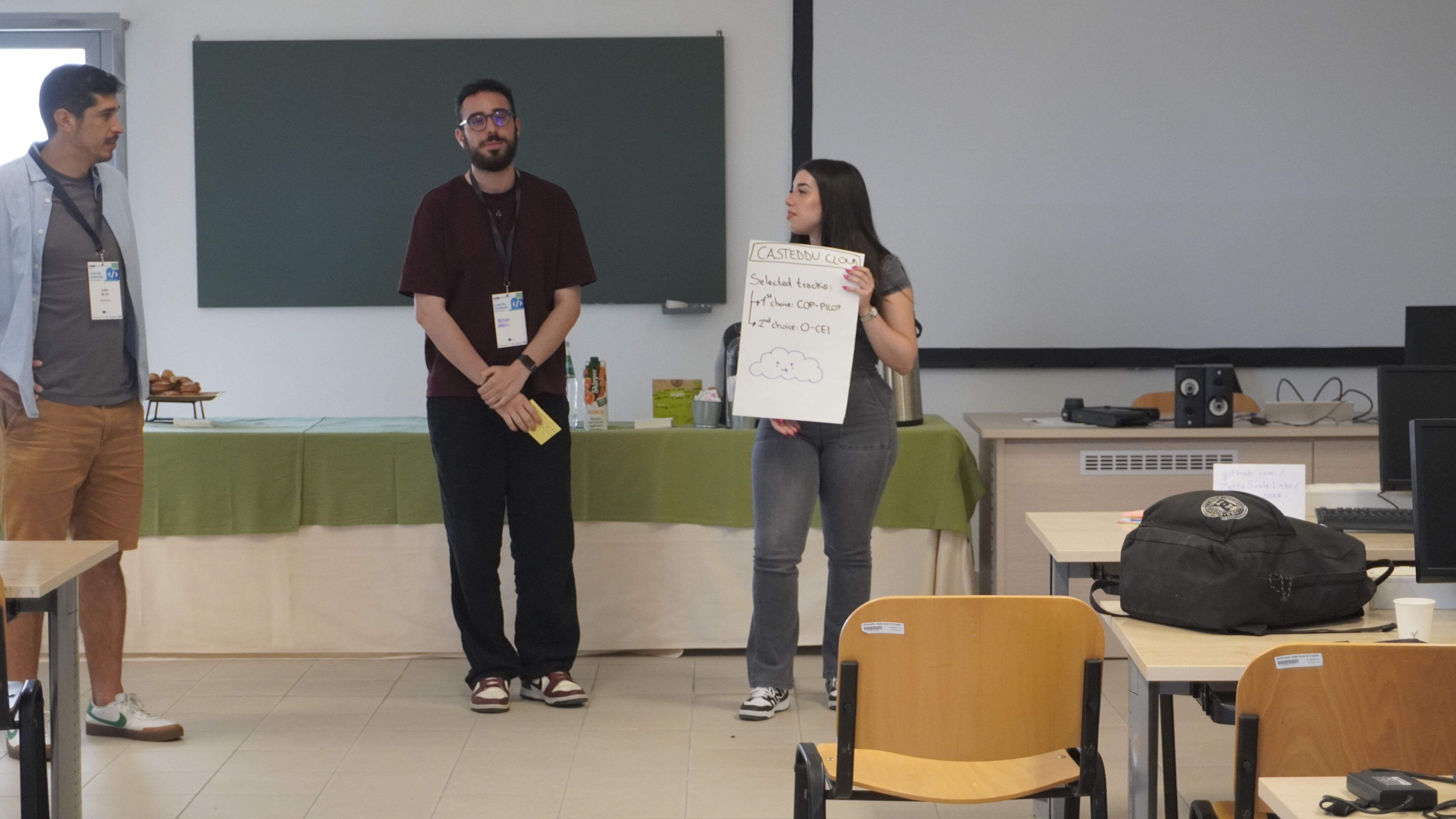
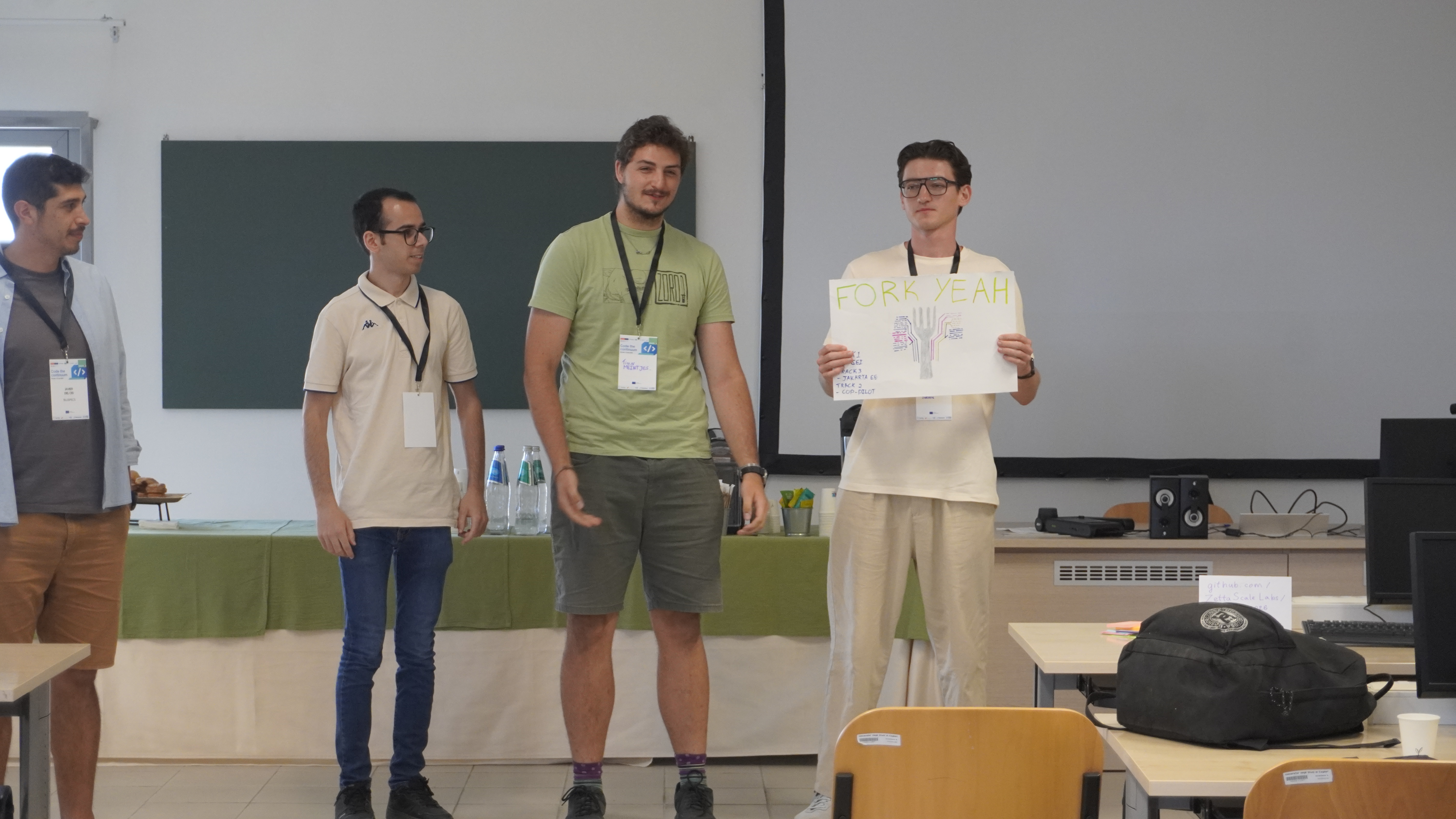
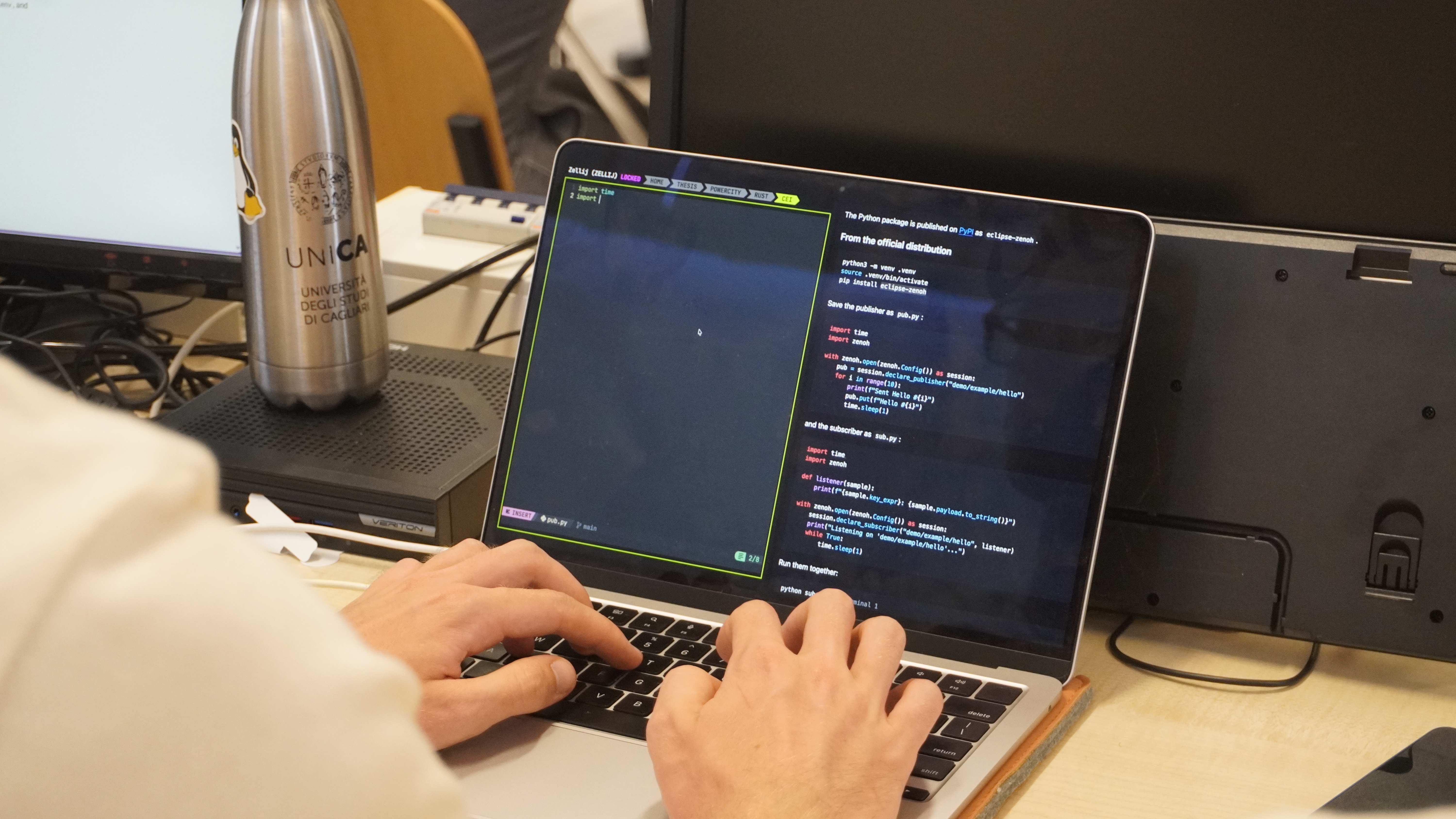
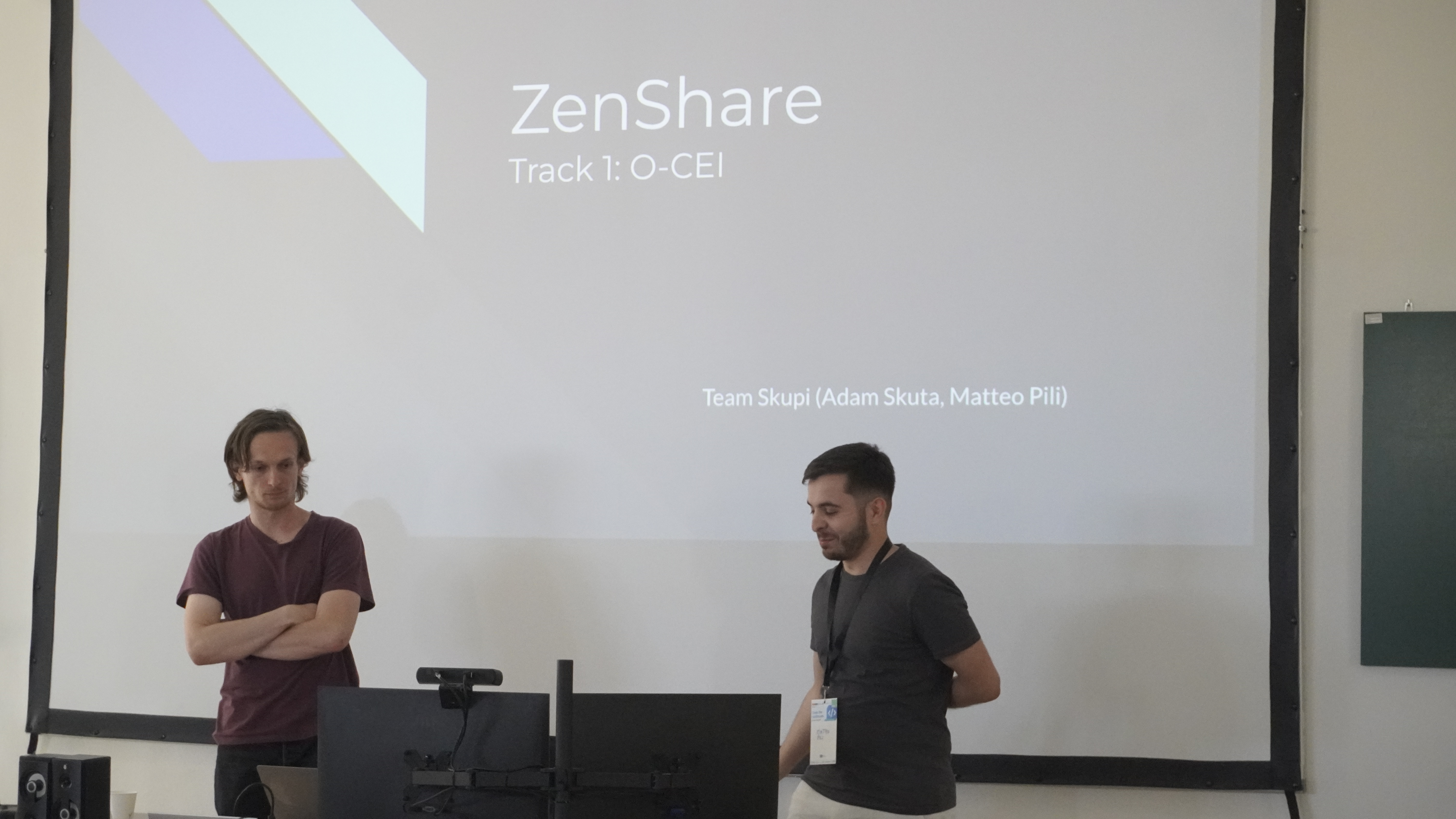
Teams at work
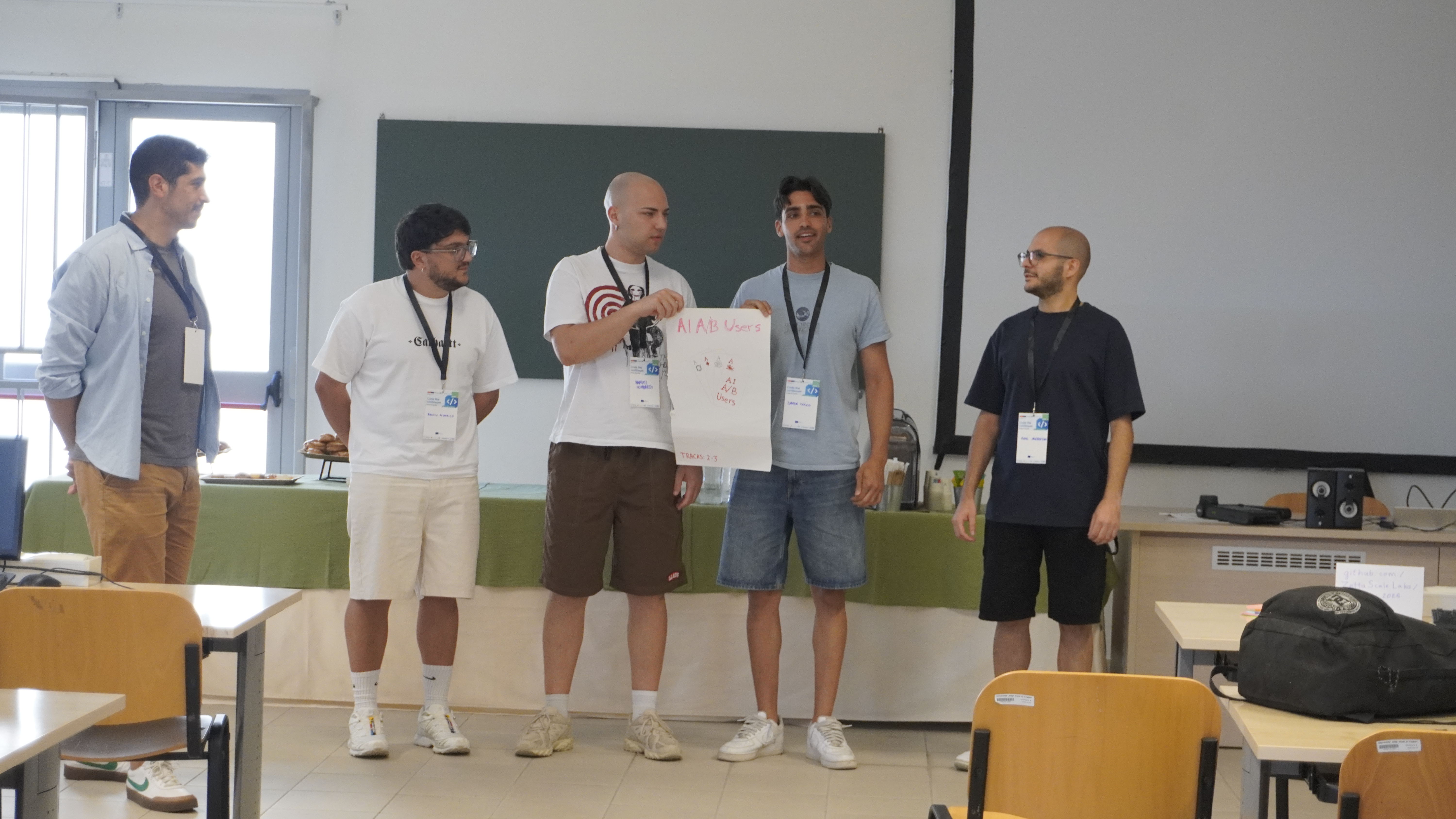
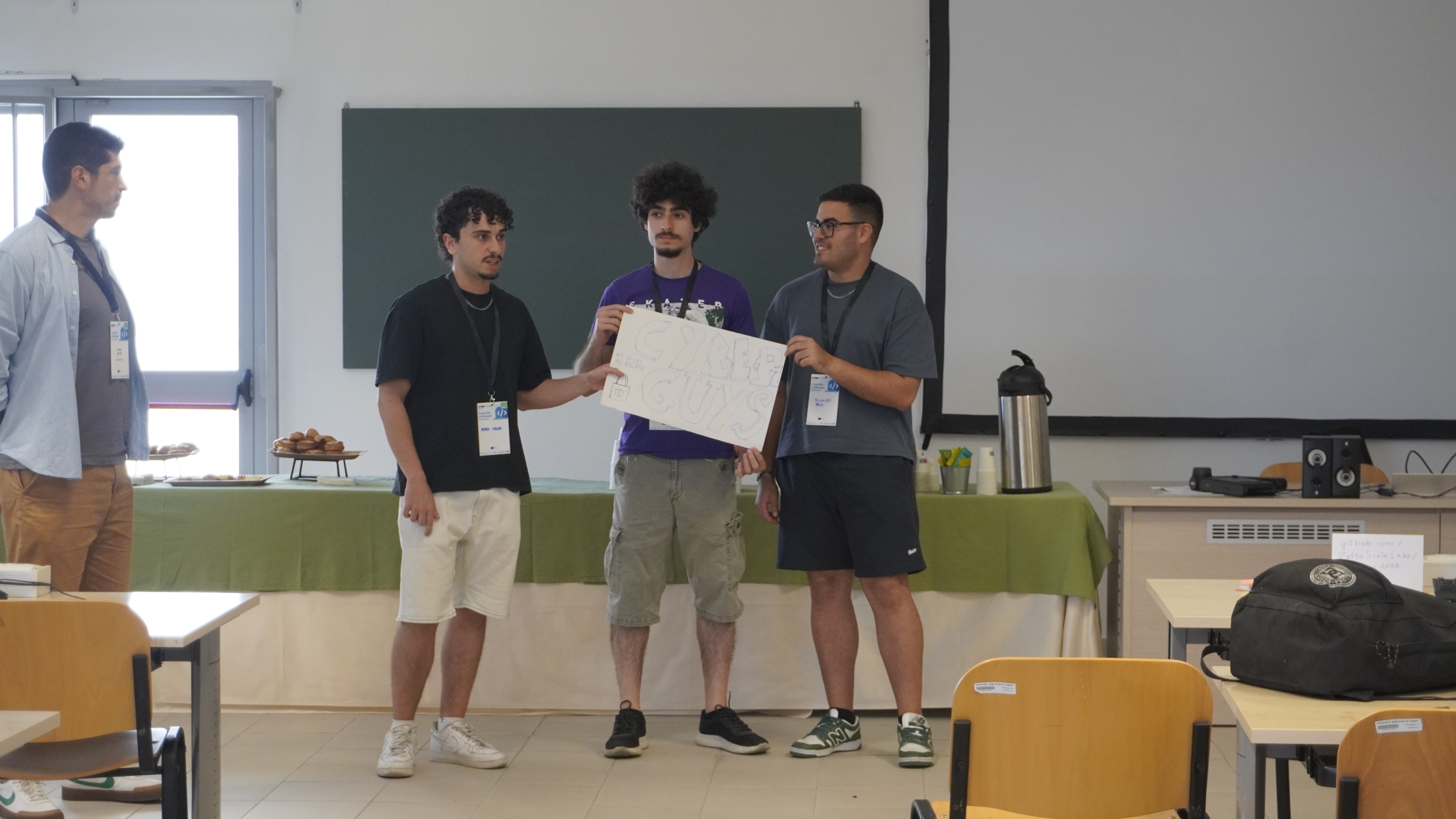
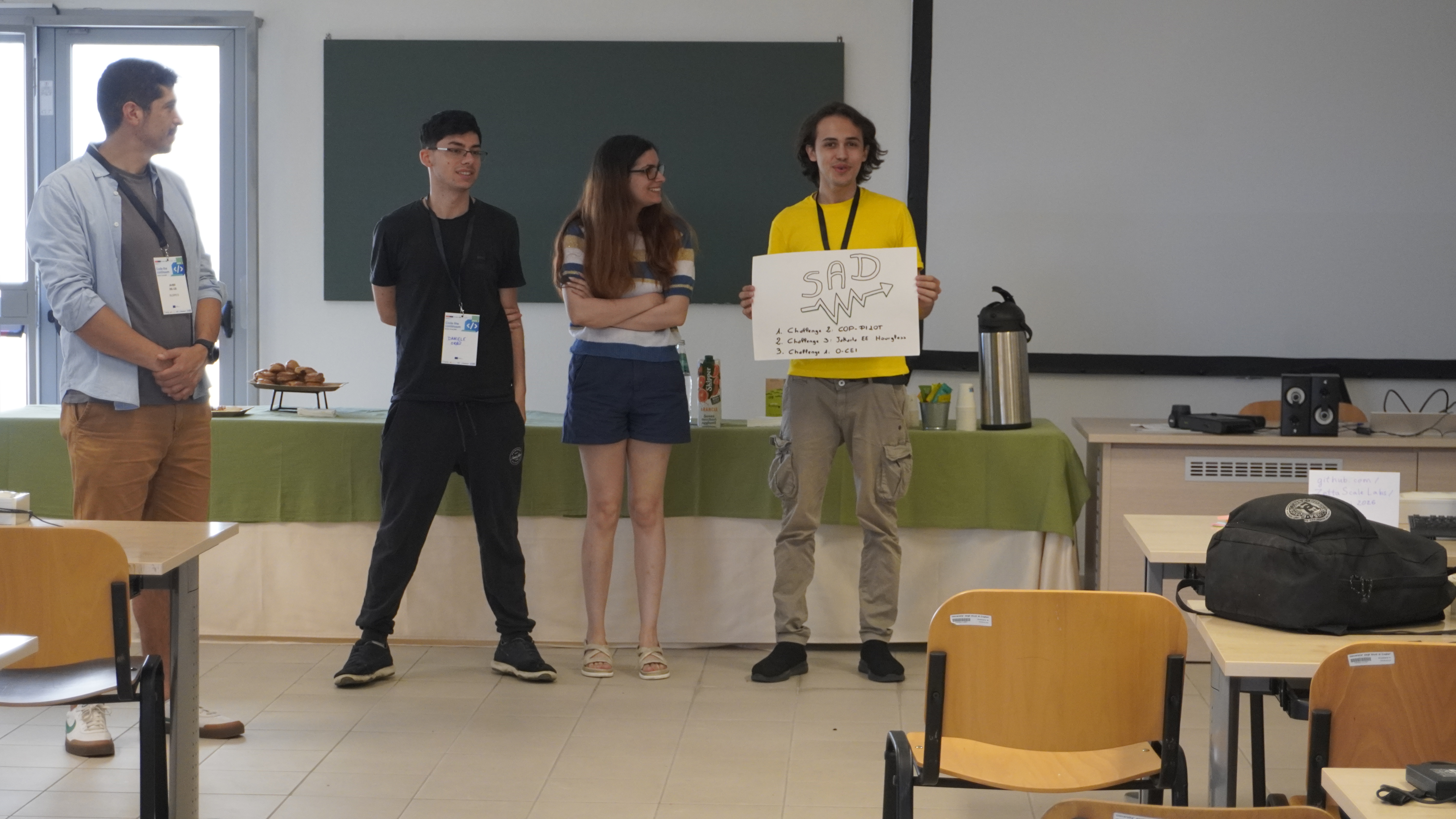
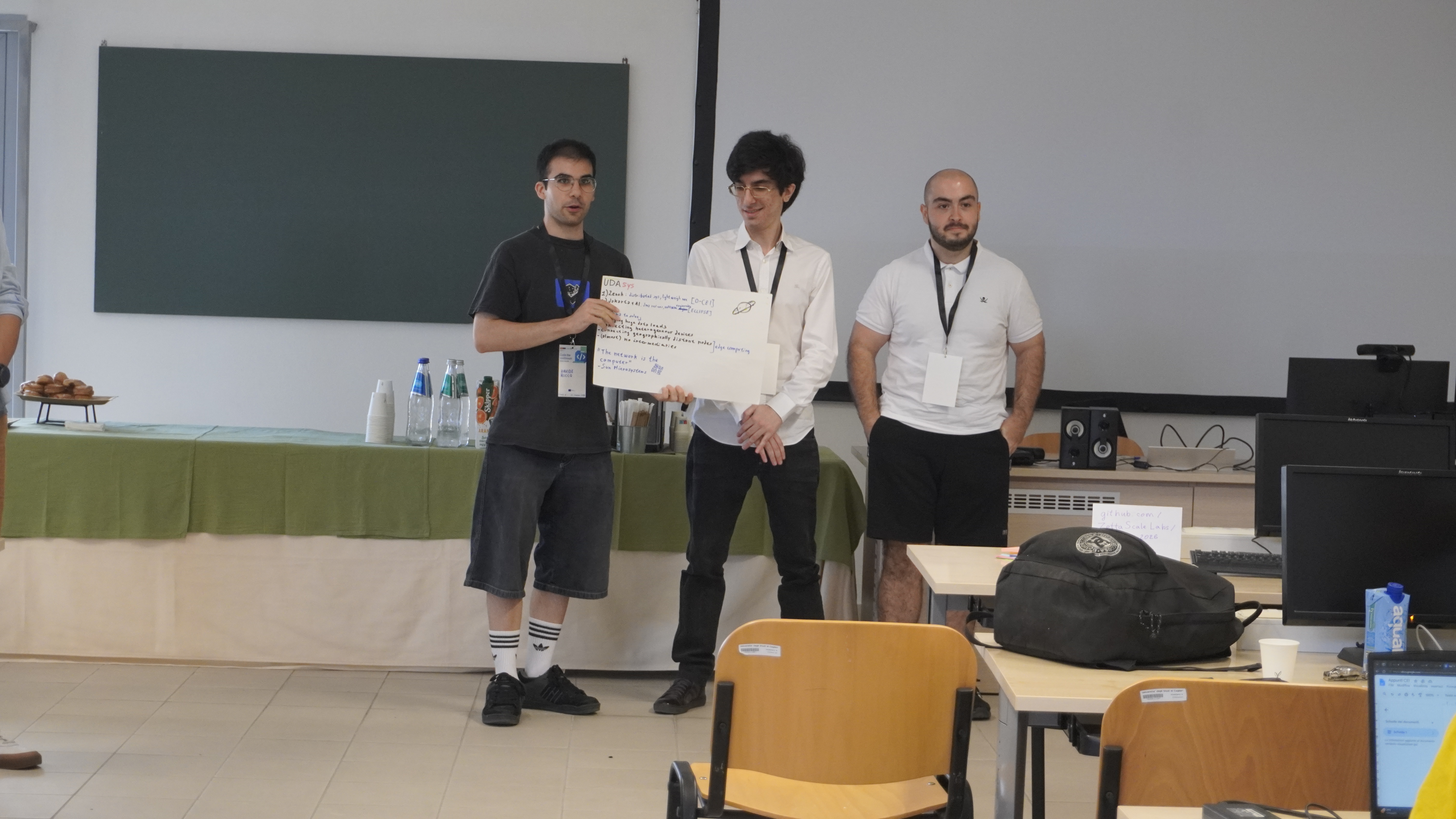
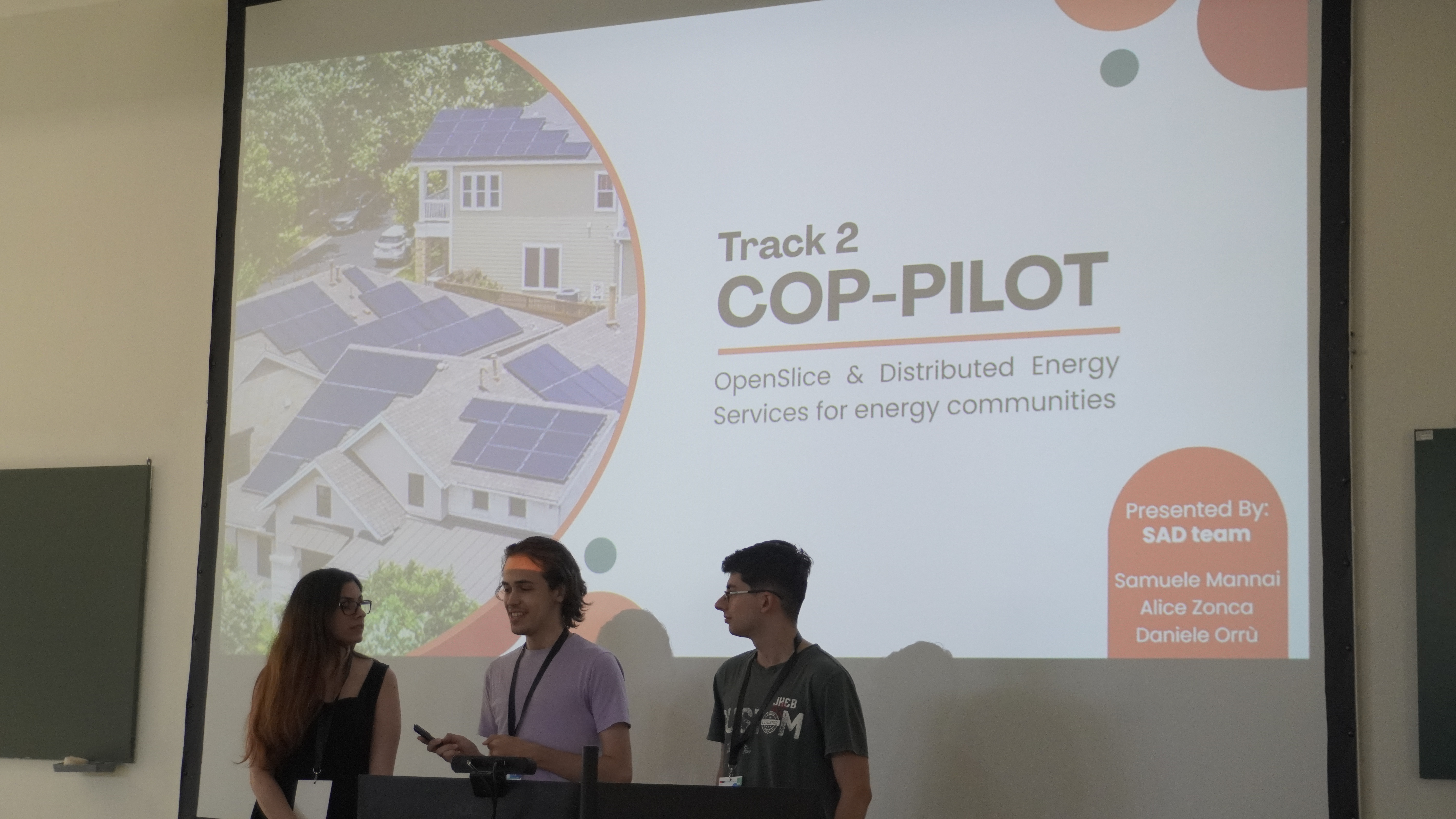
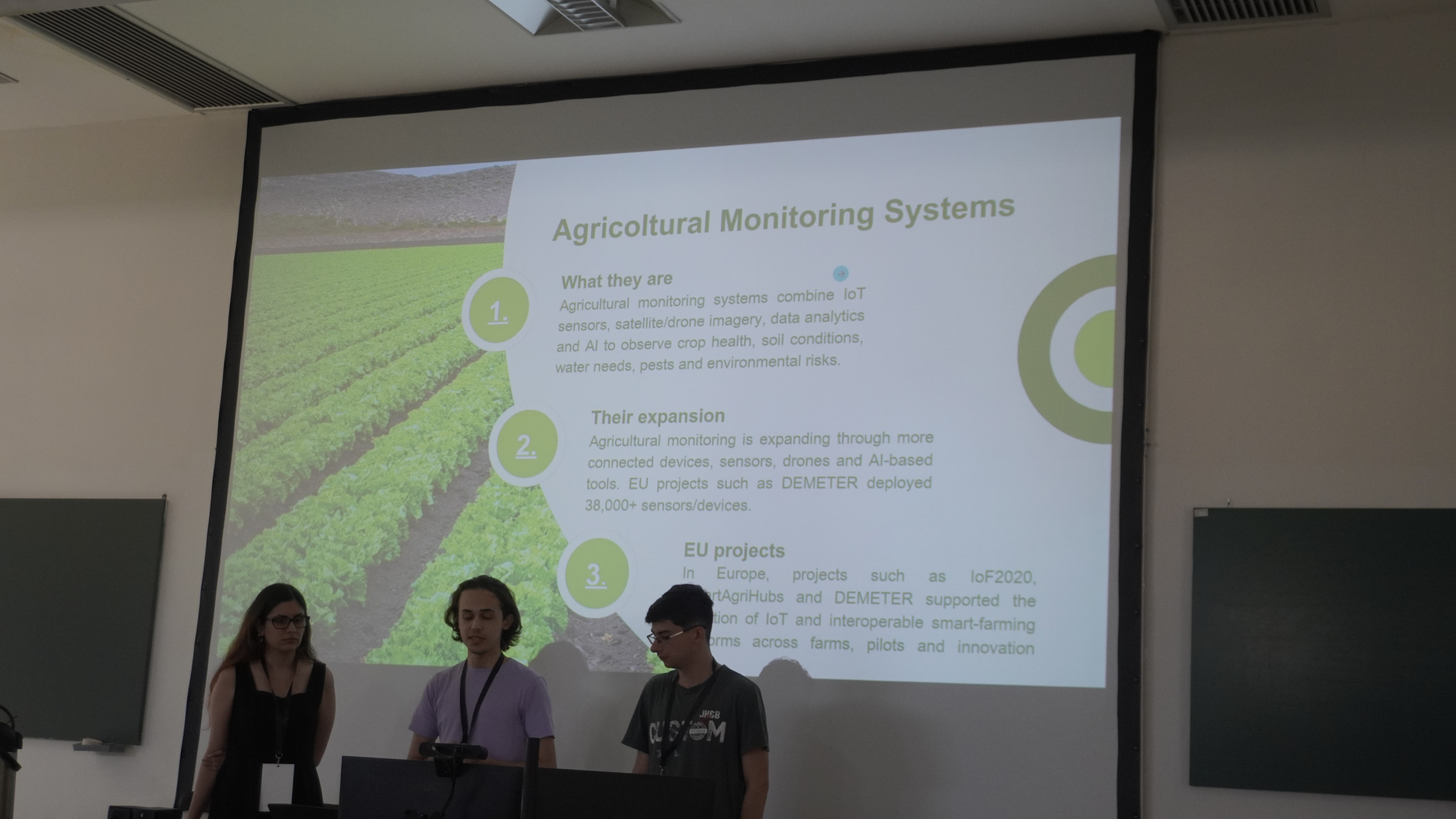
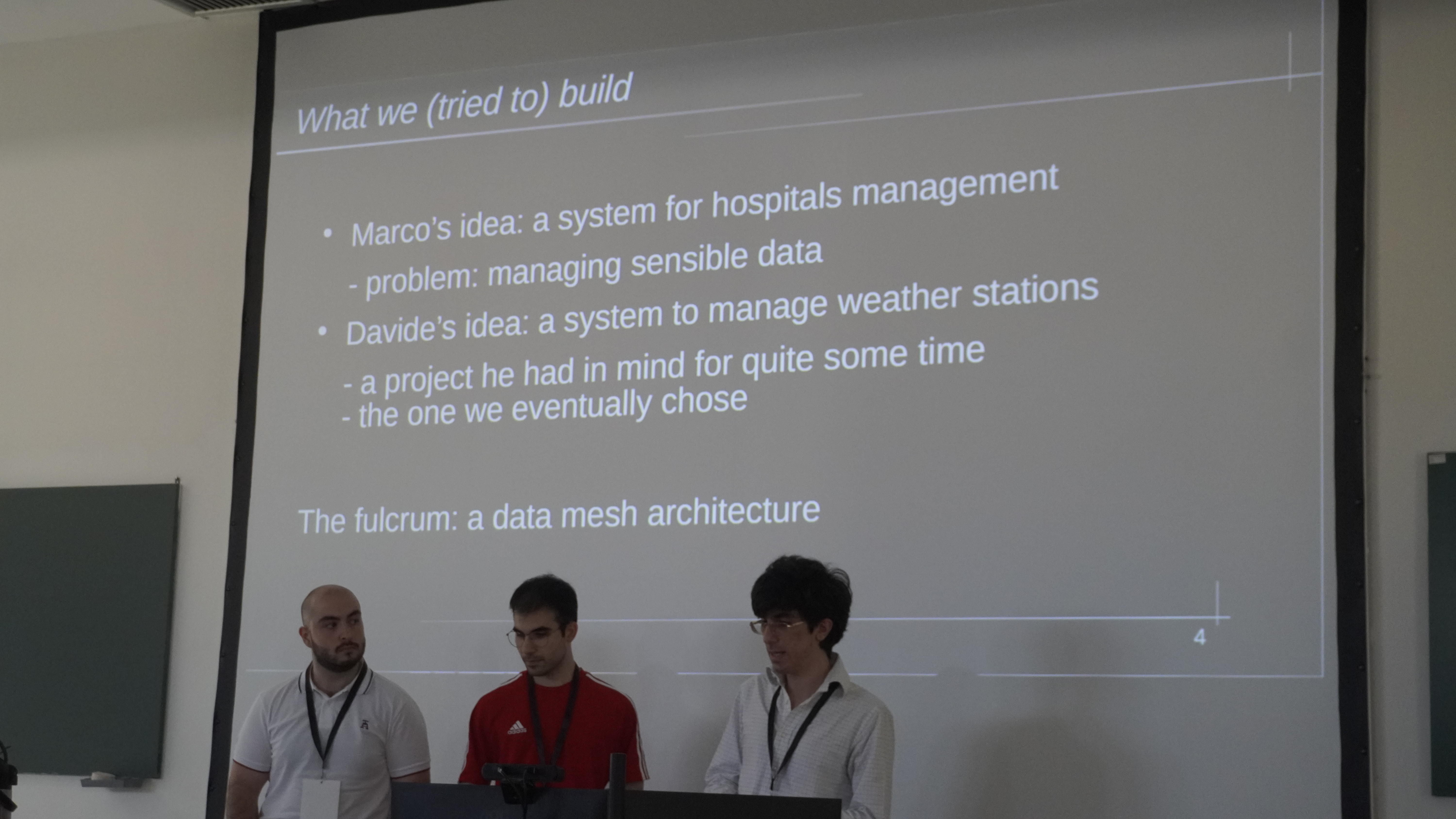
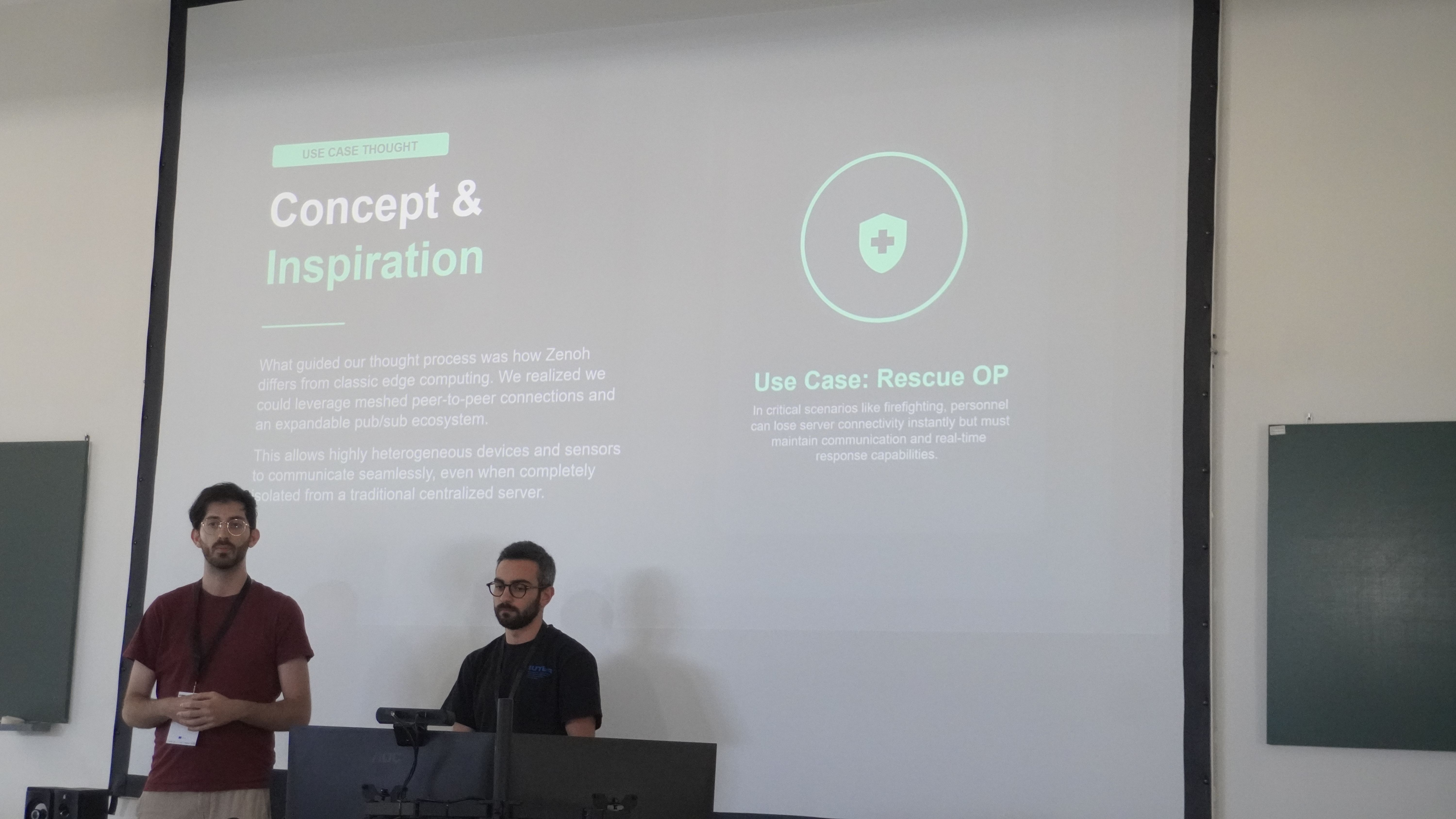
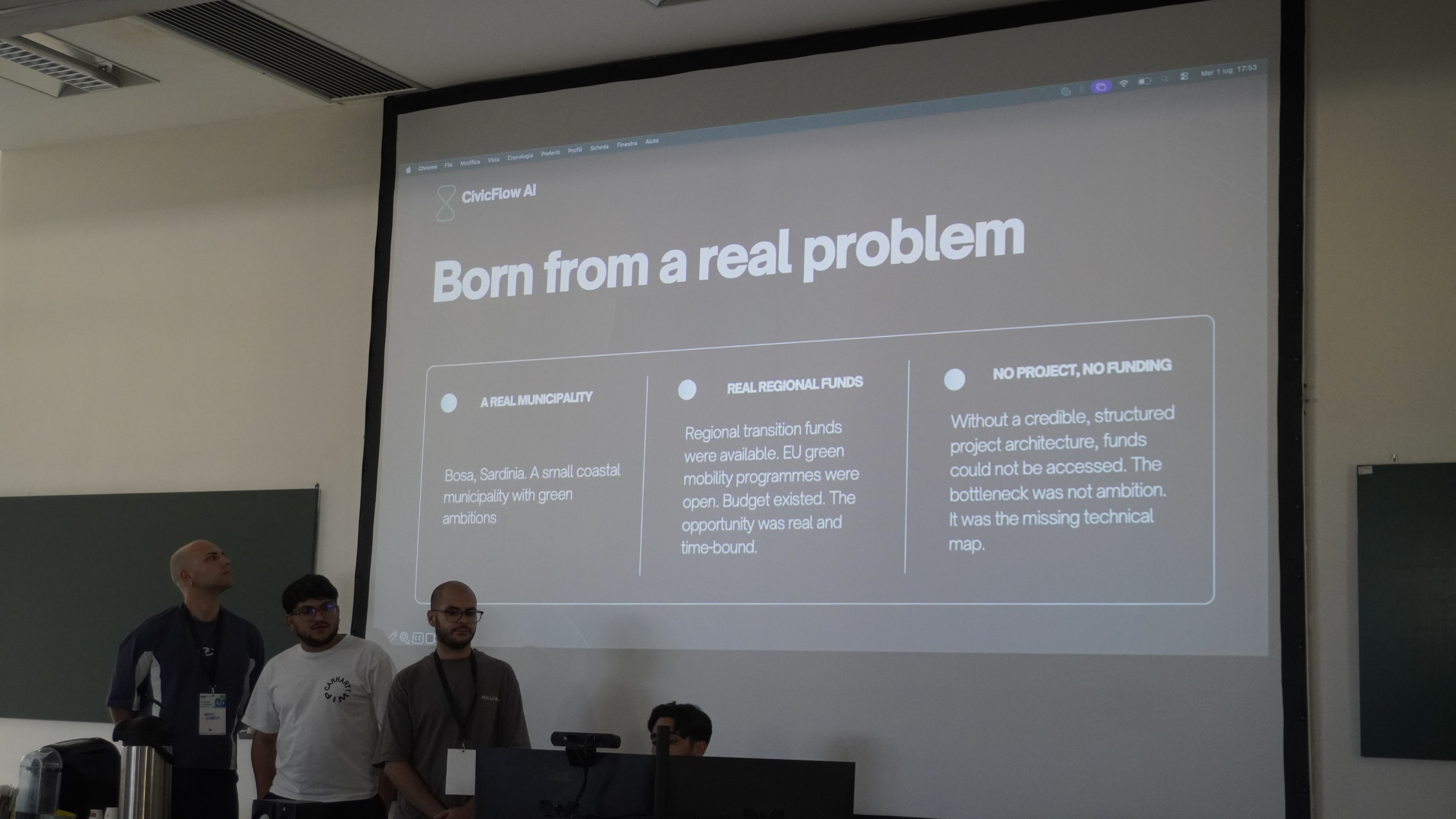
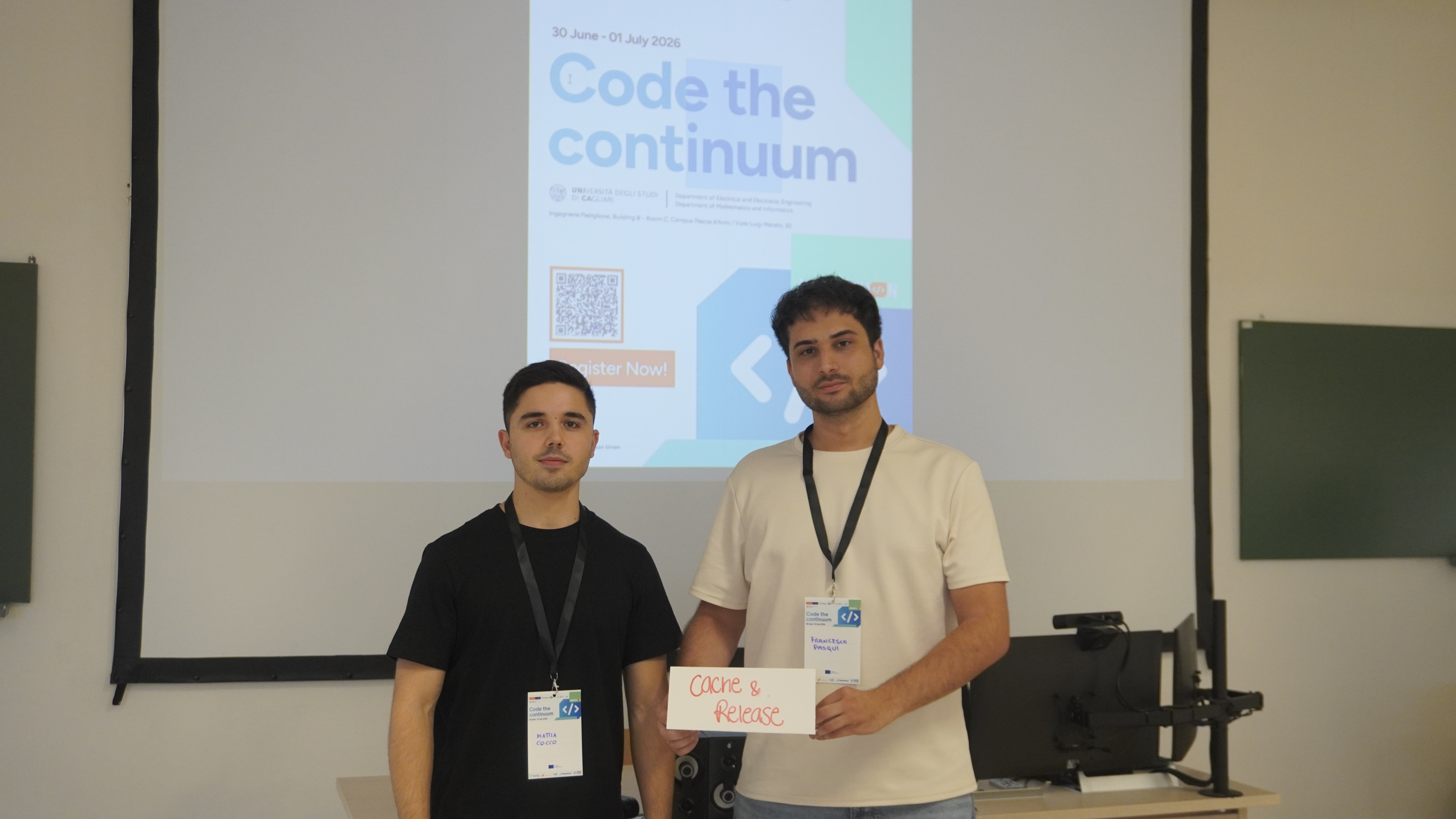
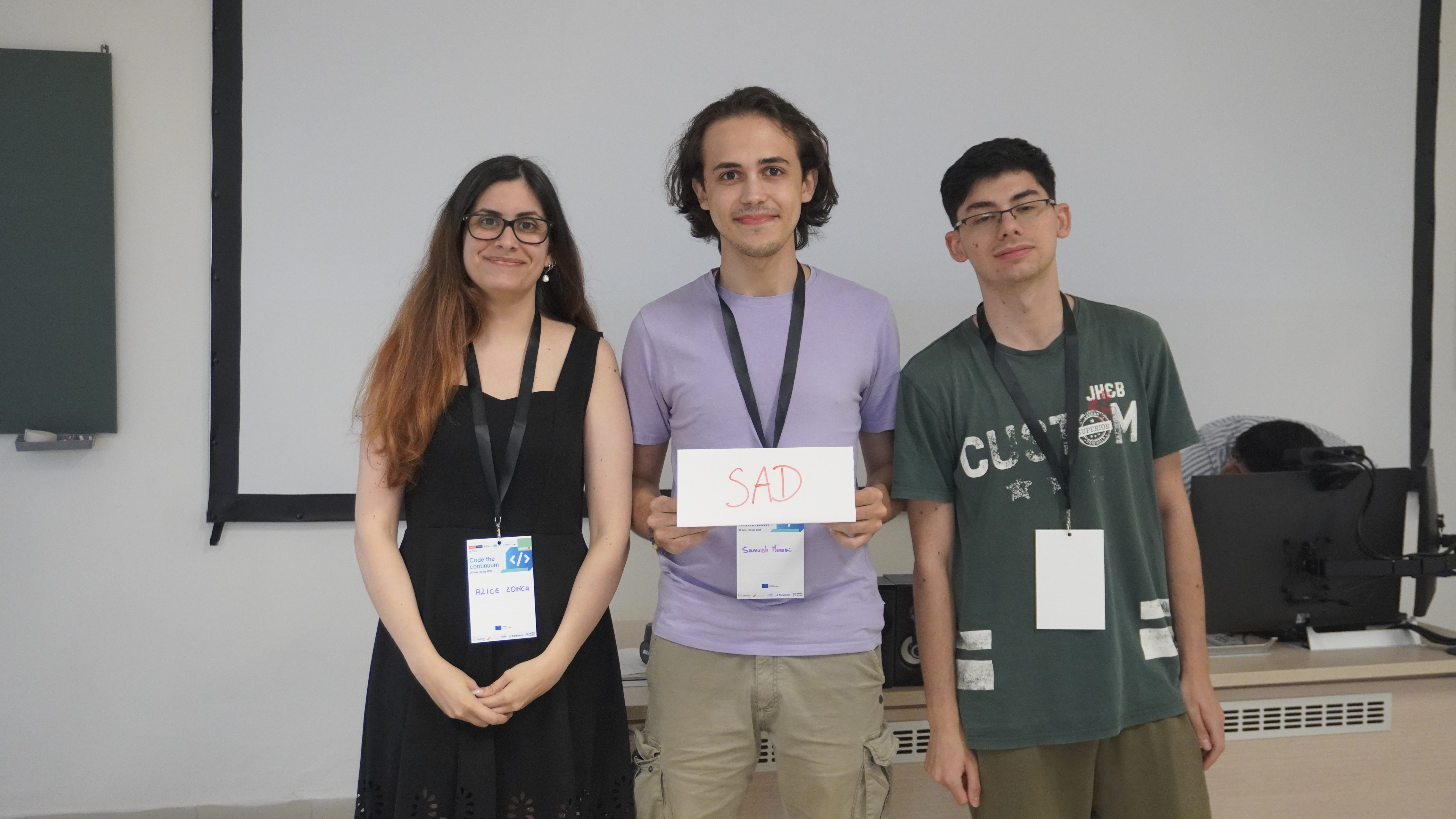
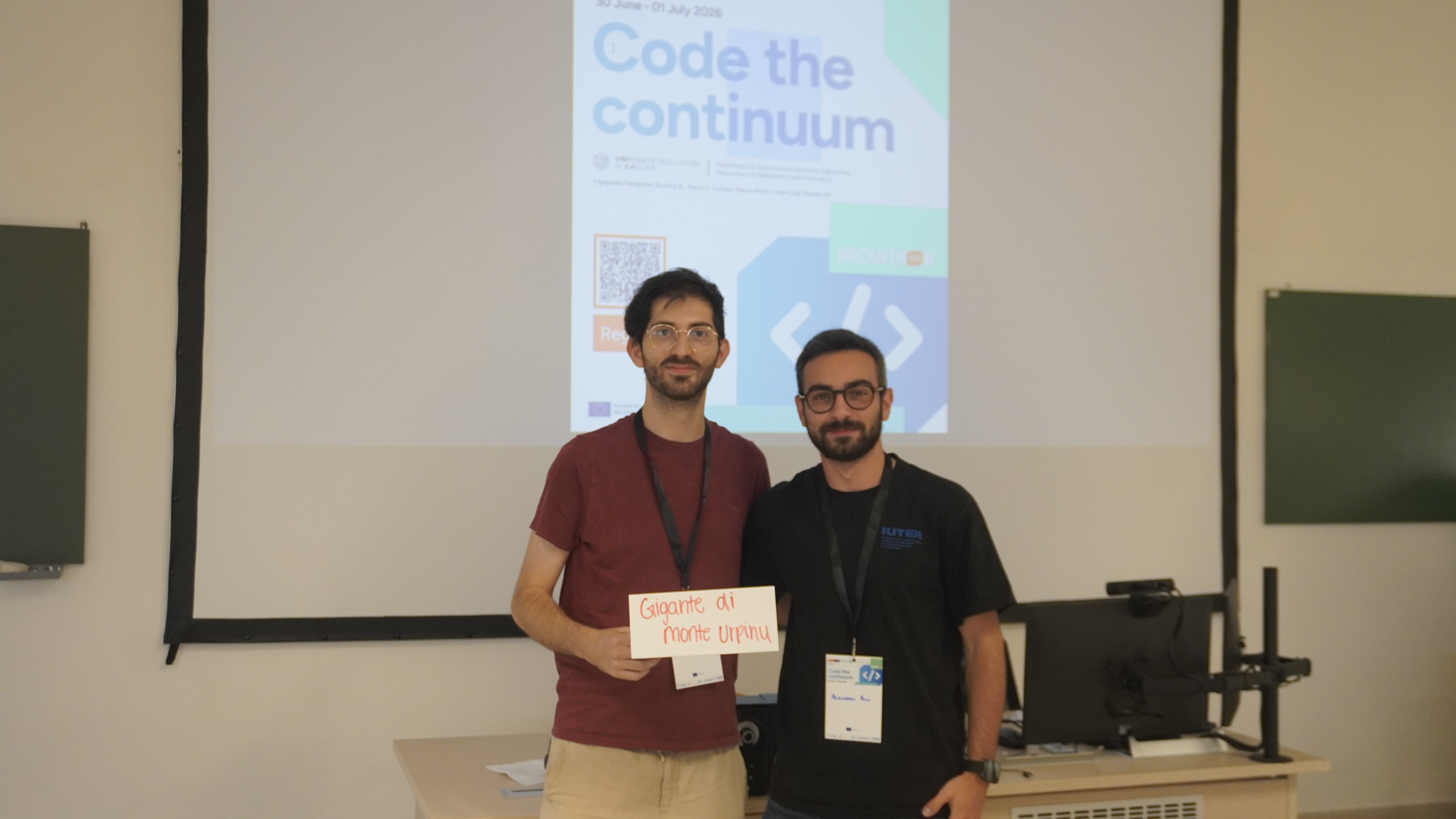
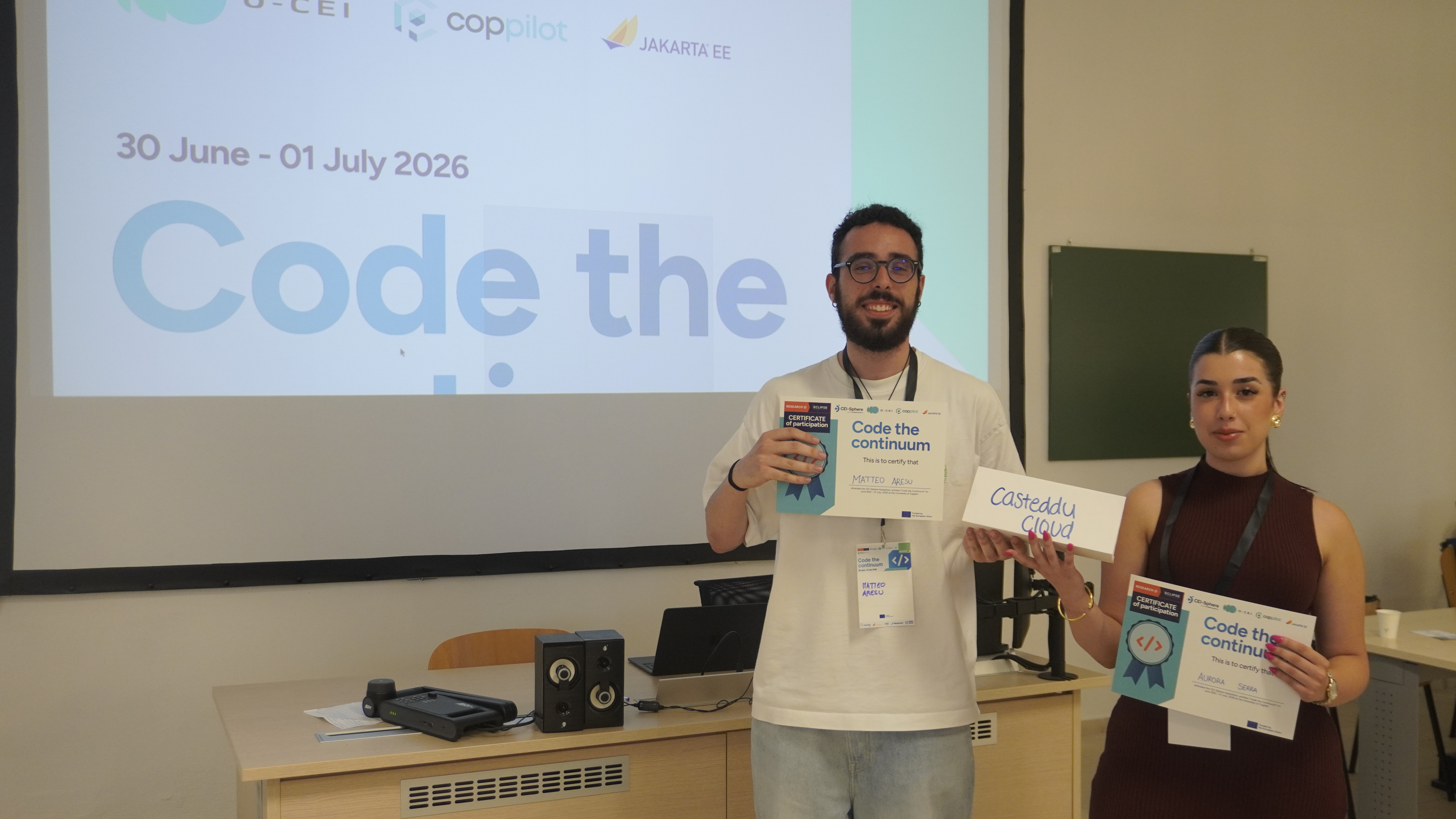
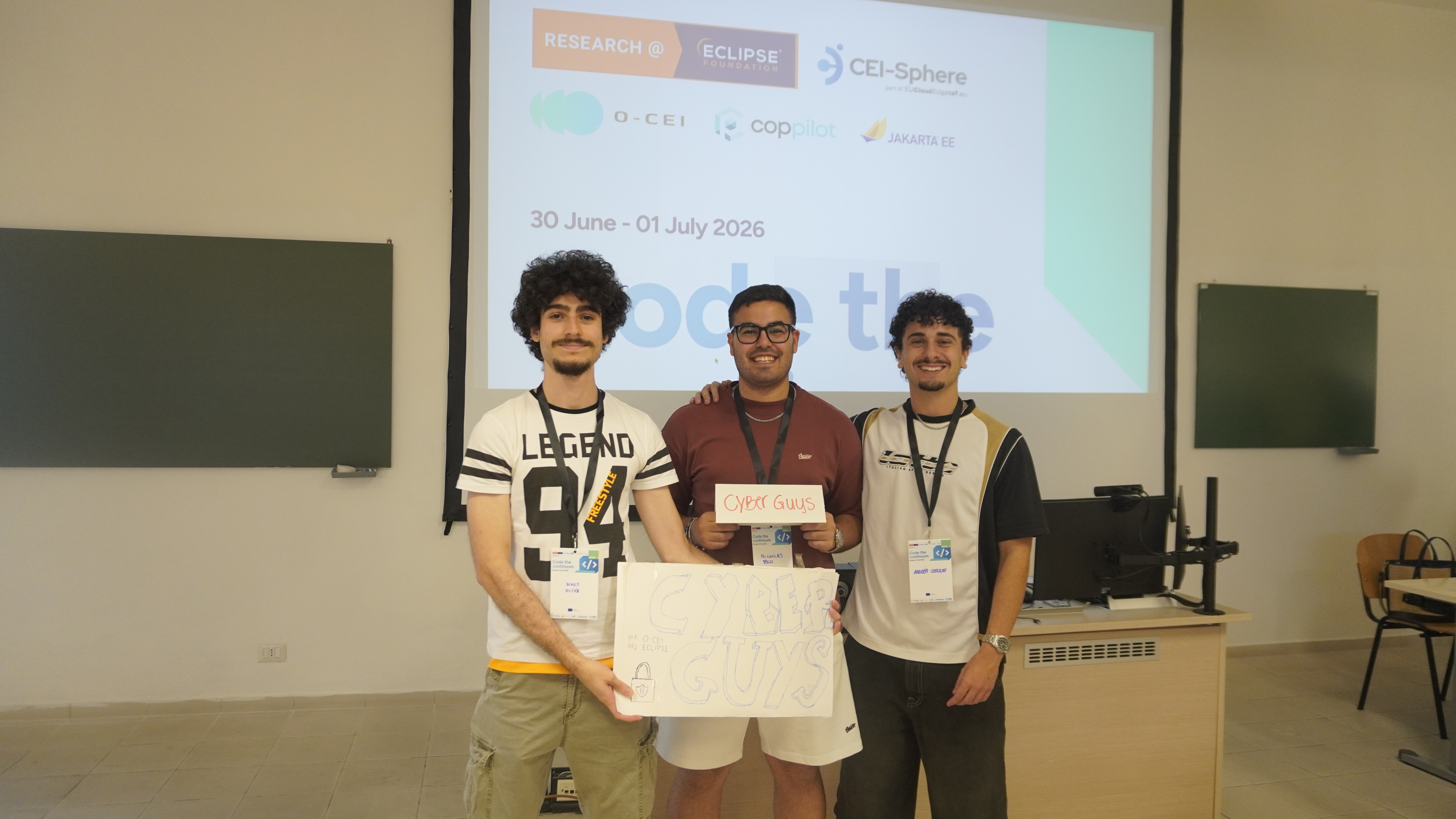
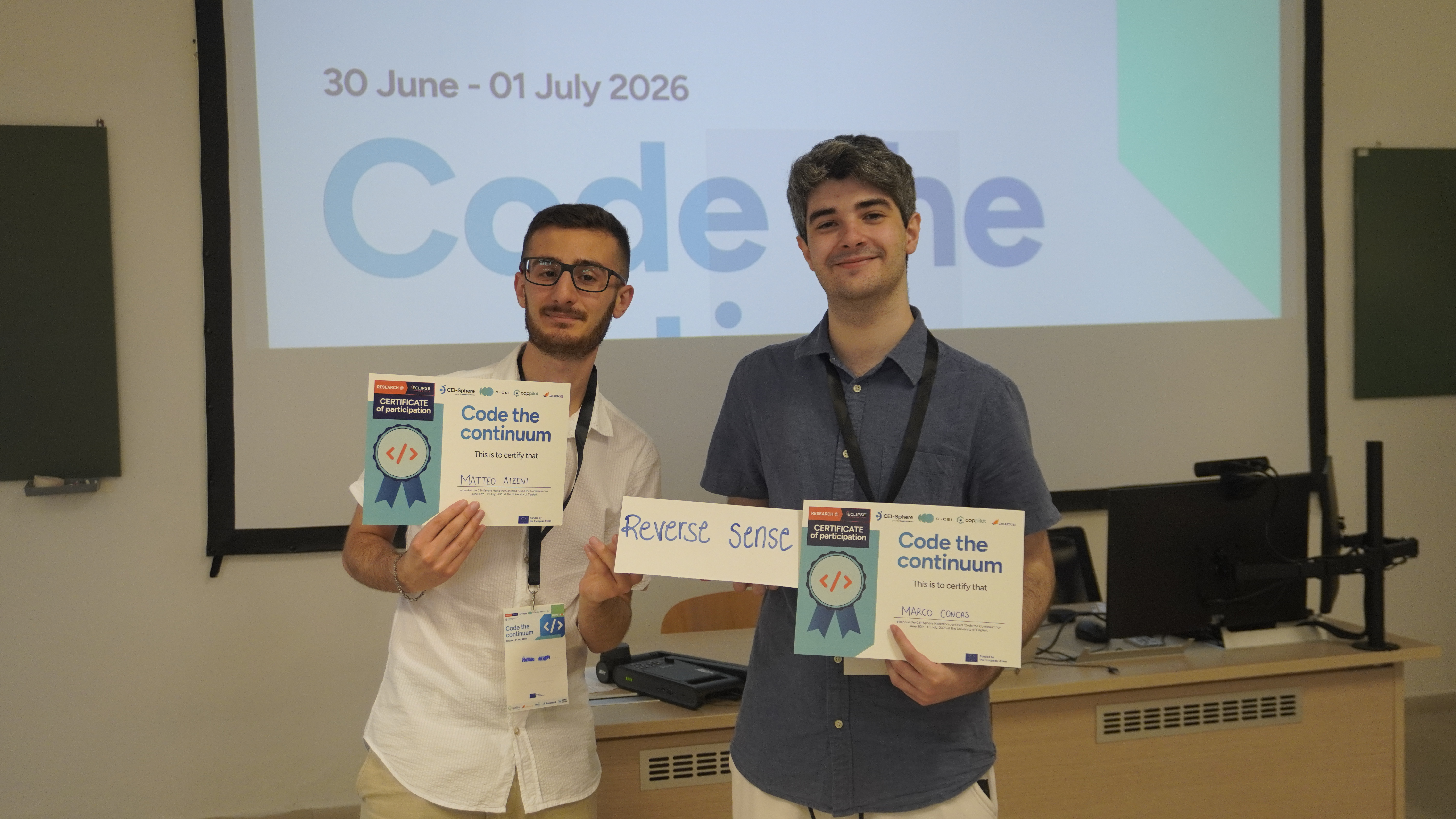
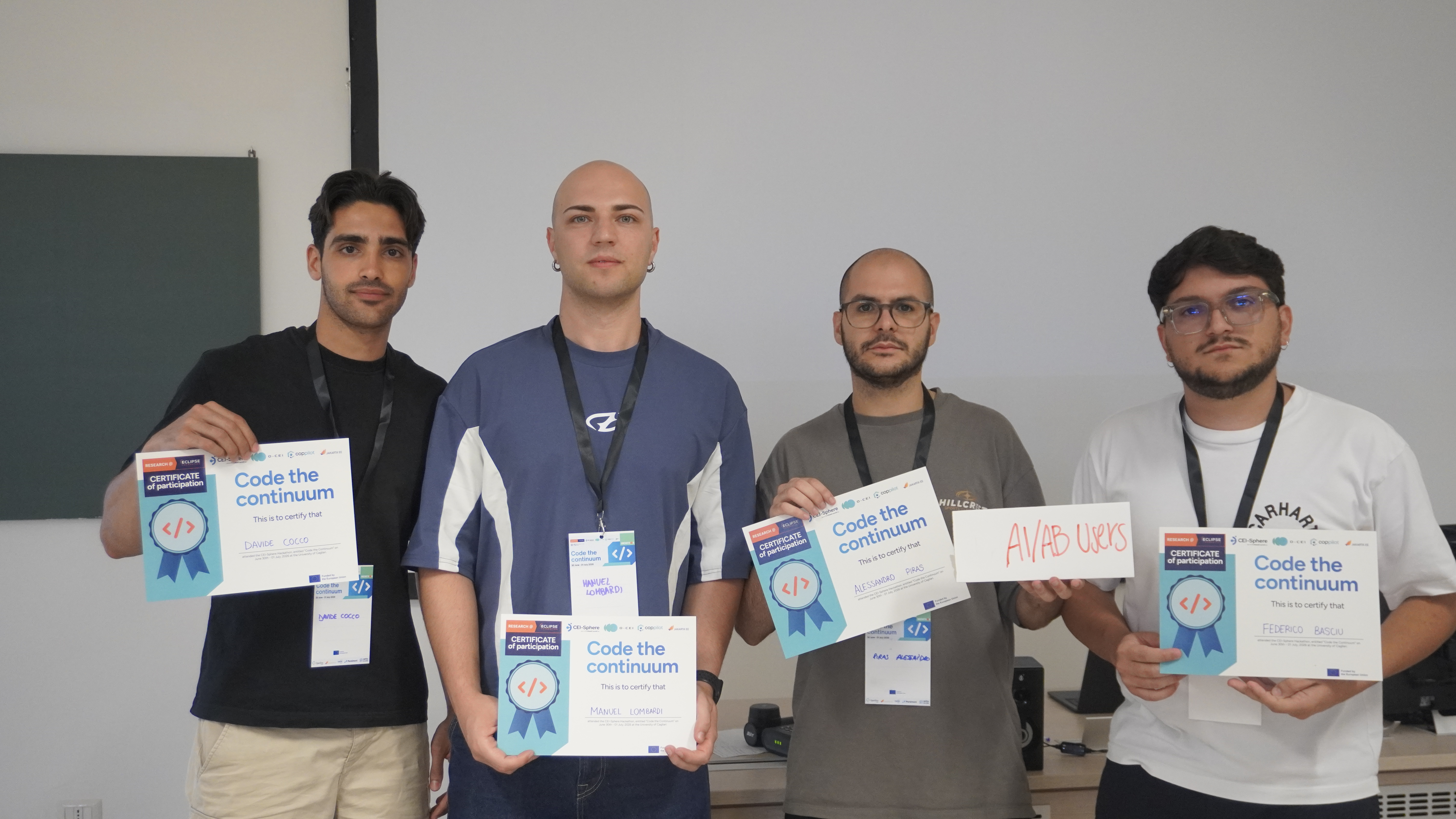
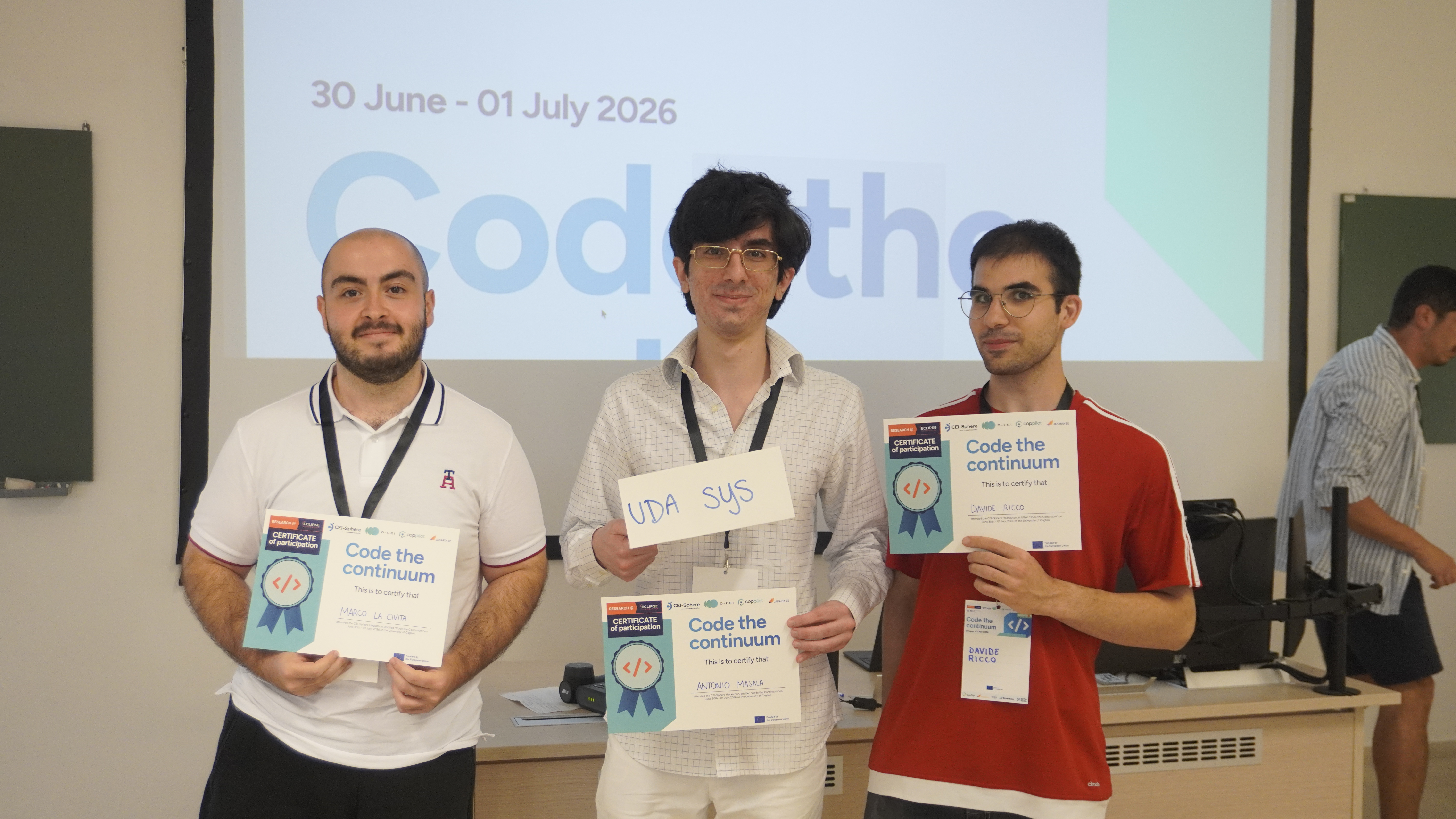
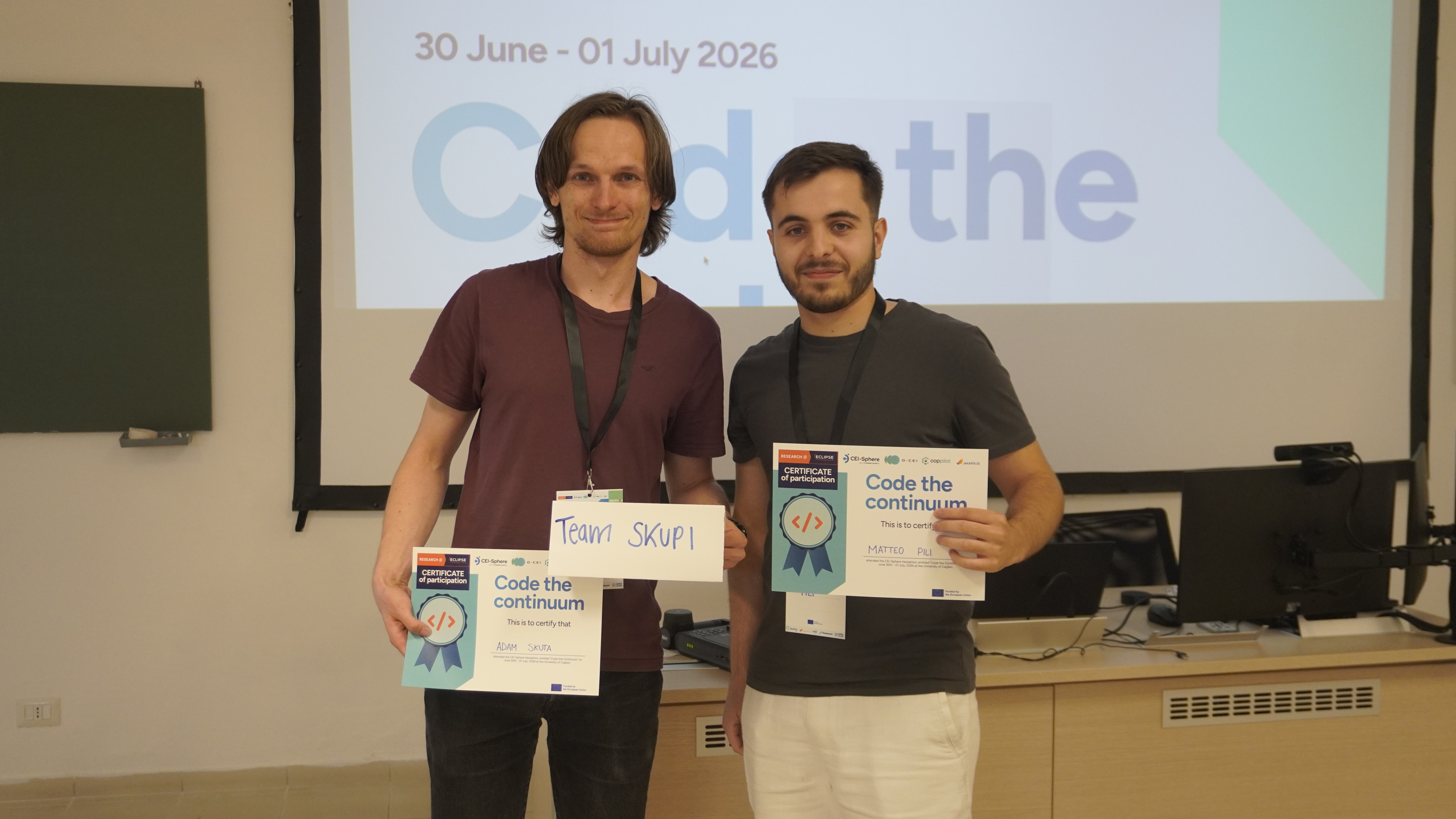
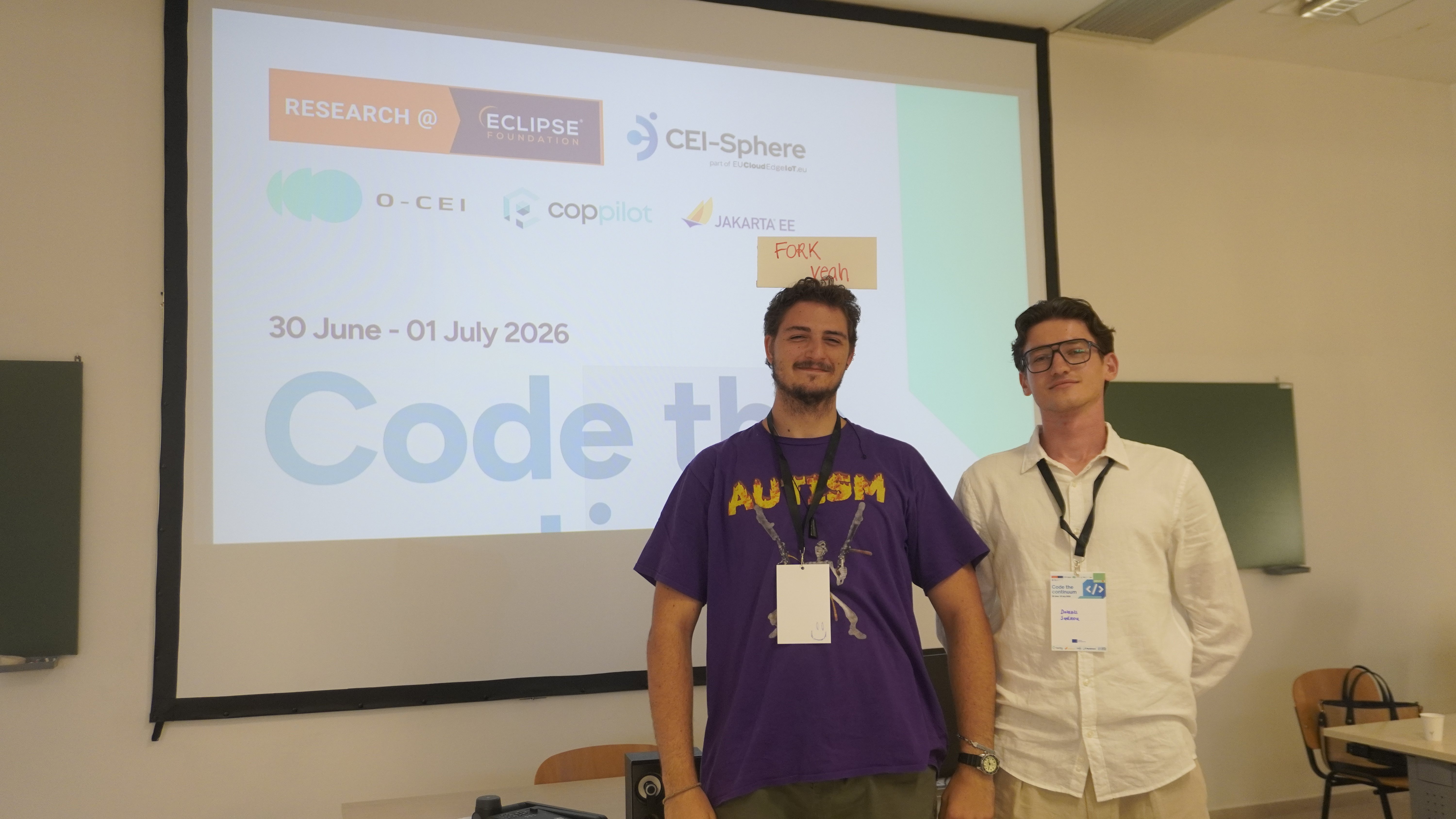
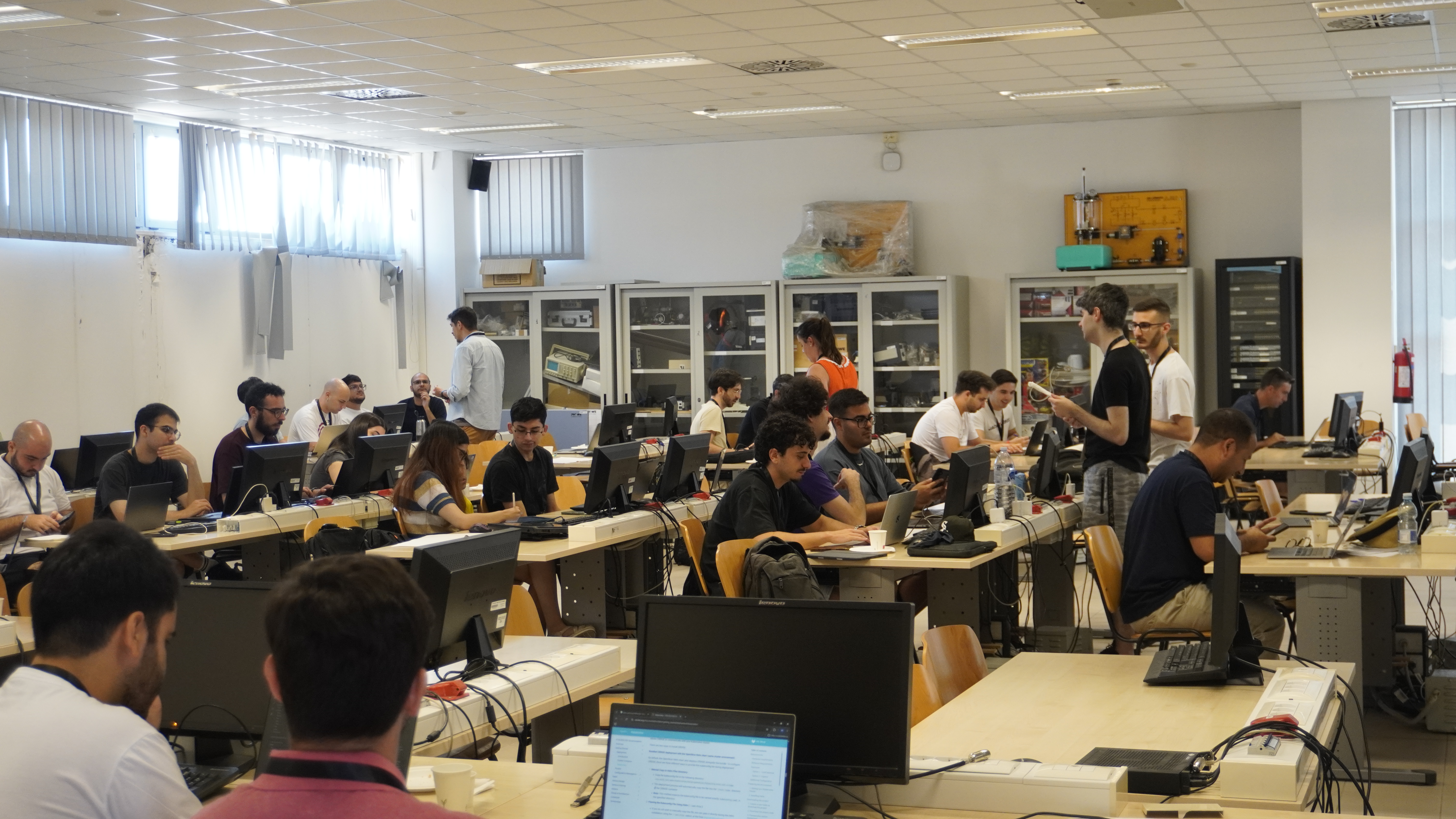
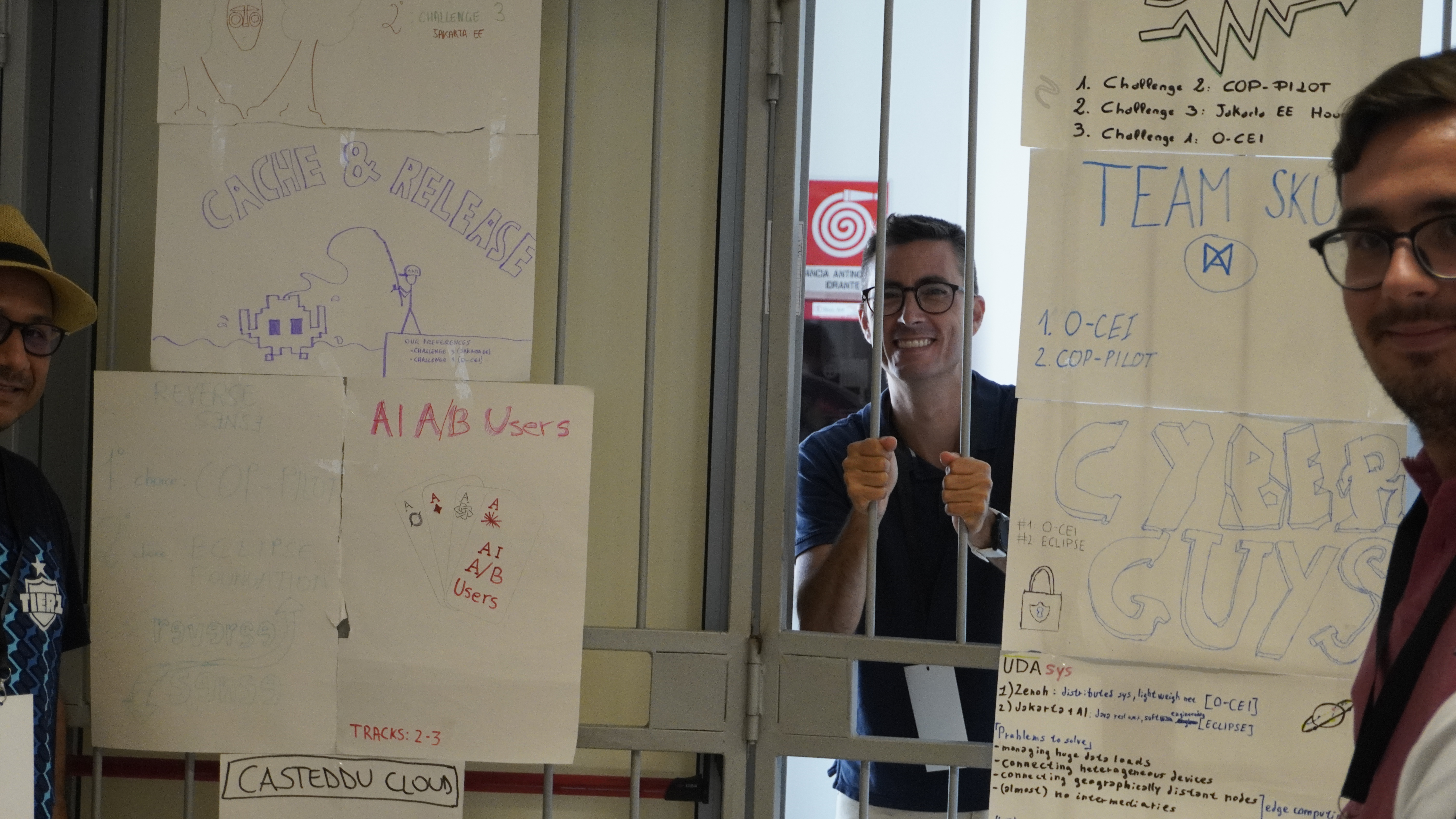
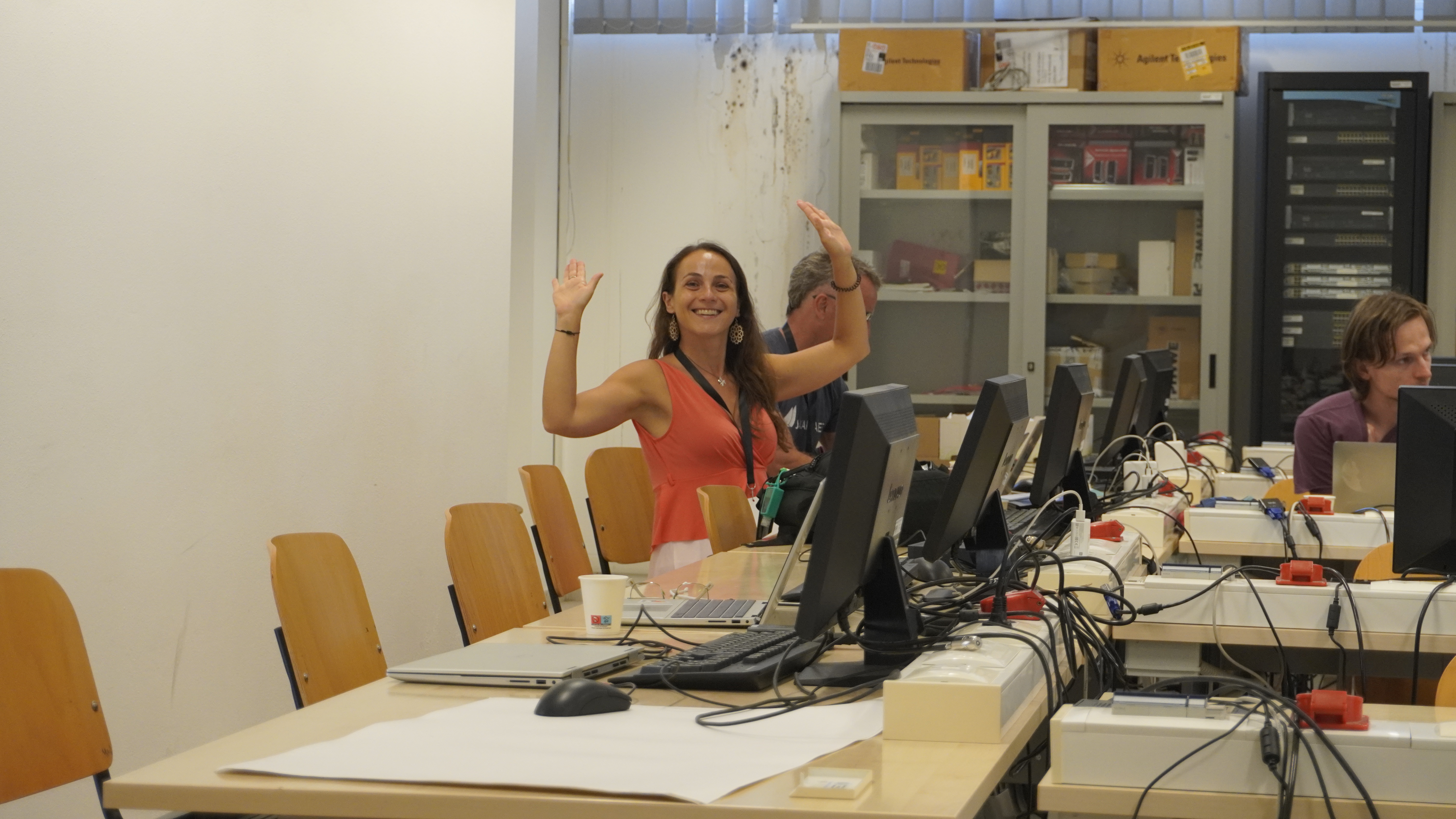
The challenges
Three tracks, one computing continuum
Track 1 · COP-PILOT / OpenSlice
Orchestrating distributed applications
Teams used OpenSlice to orchestrate distributed services across a simulated cloud-edge environment. They connected containerised components for data generation, processing and visualisation within a local Kubernetes deployment.
First place · €750
Second place · €450
Third place · €300
Track 2 · O-CEI / Eclipse Zenoh
Helping data travel more efficiently
Participants explored how Eclipse Zenoh can support energy-aware edge-cloud applications. Their work compared cloud-only and edge-accelerated deployments in scenarios including distributed image processing and geo-distributed content delivery.
First place · €750
Second place · €450
Third place · €300
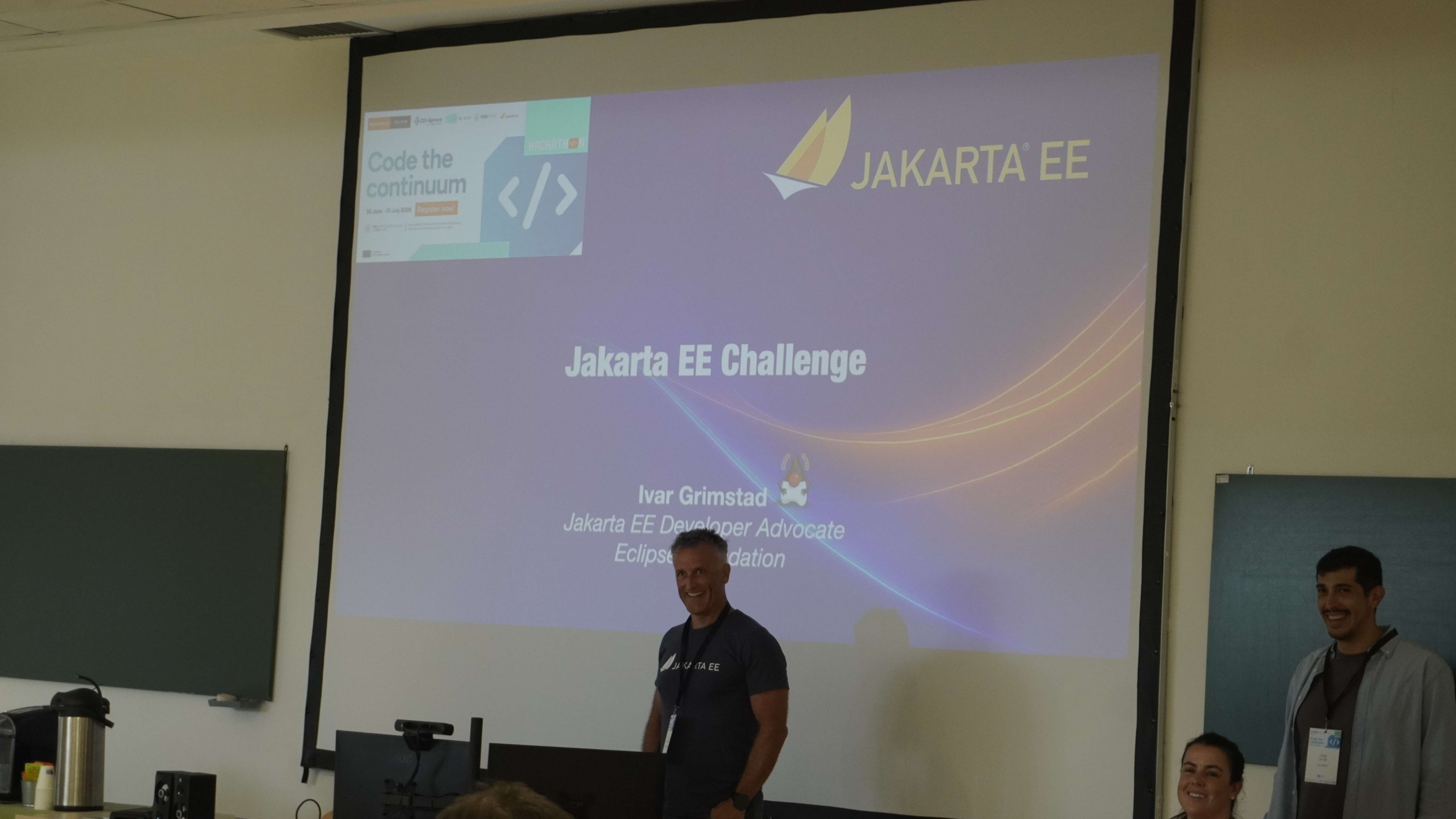
Track 3 · Eclipse Foundation / Jakarta EE
Using AI to map complex digital ecosystems
Teams developed a Jakarta EE application using AI and agentic tools to model enterprise domains through the CEI-Sphere Hourglass Model.
First place · €750
Second place · €450
Third place · €300
The podium
Congratulations to all the winners
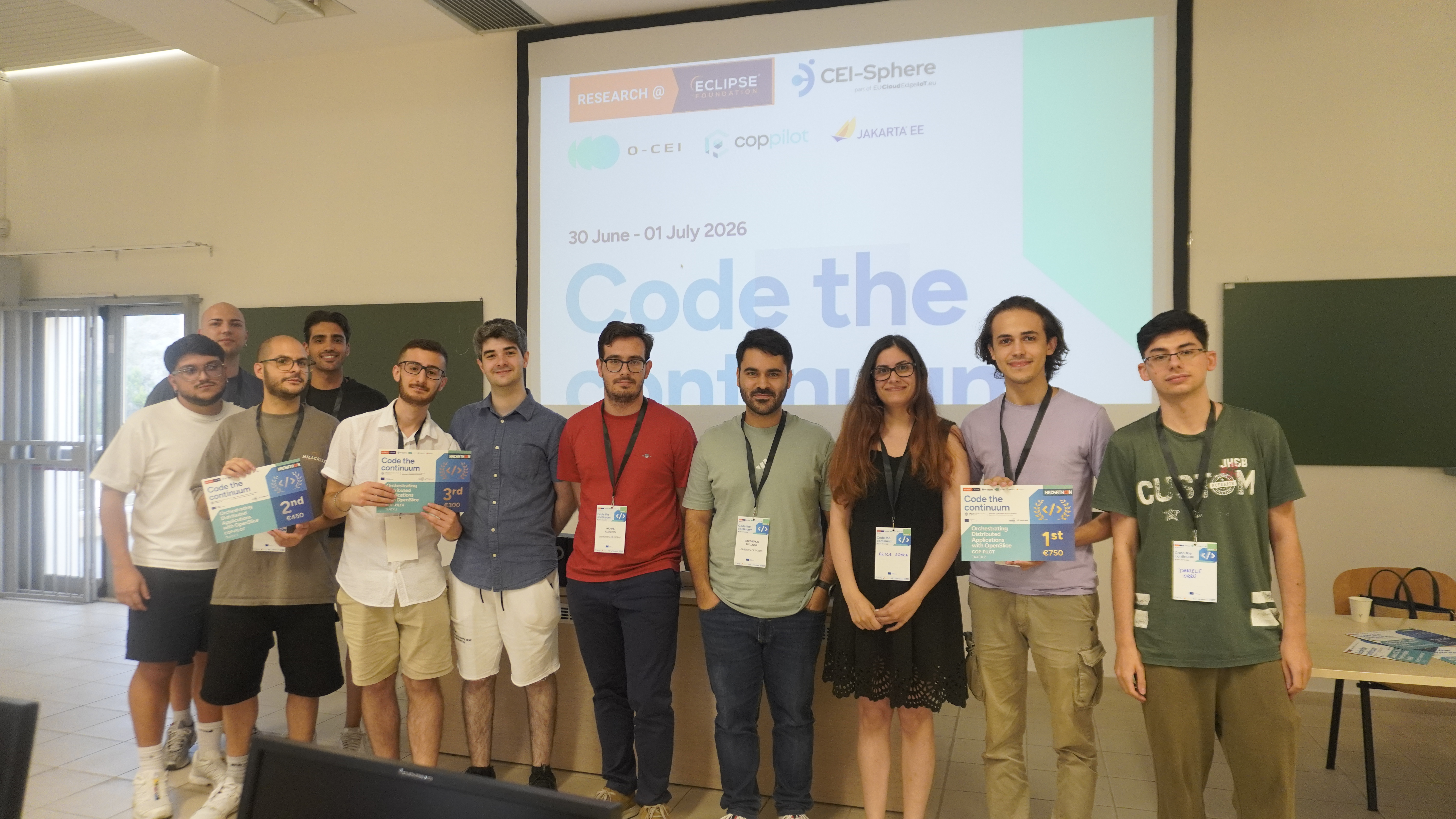
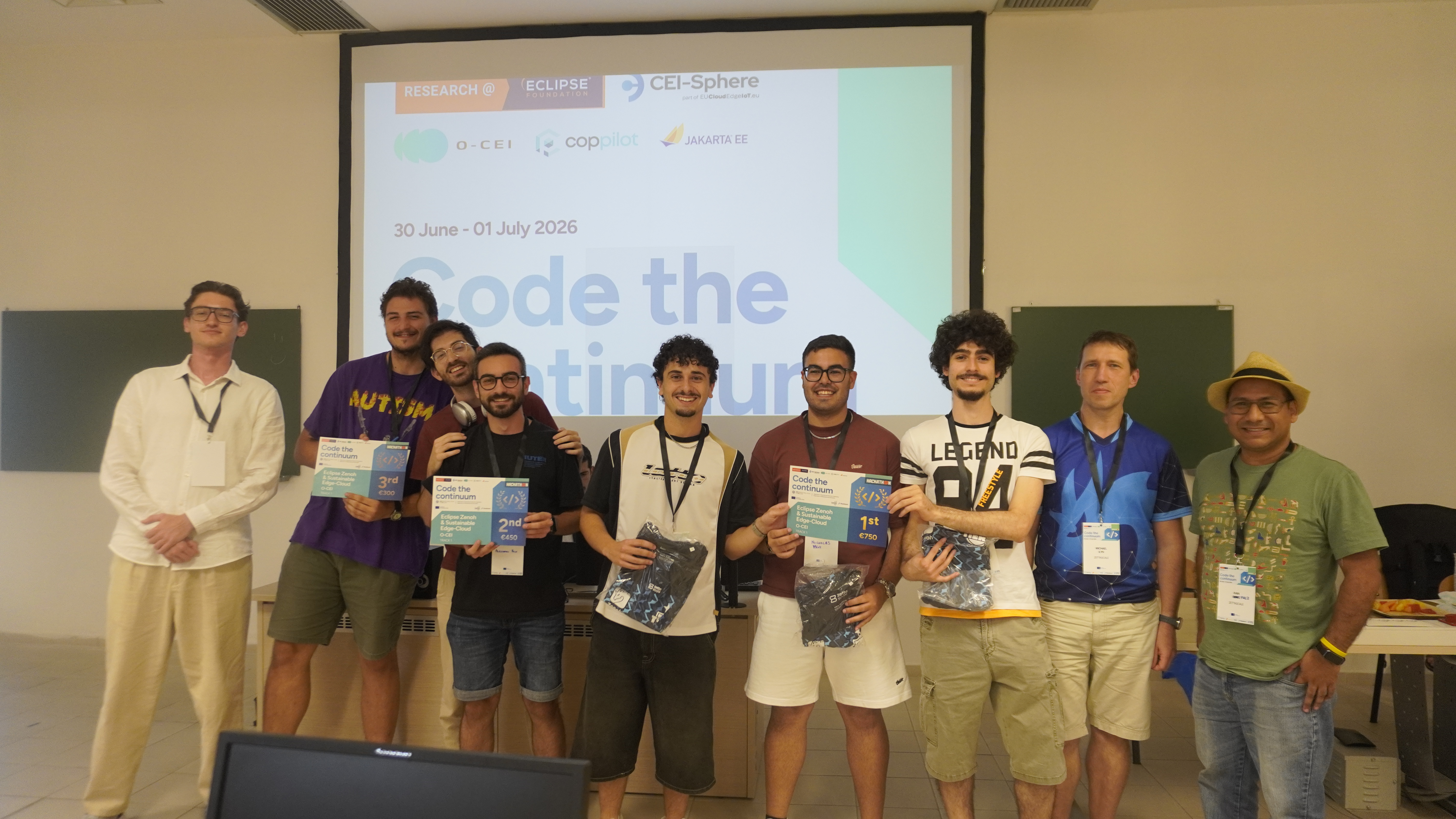
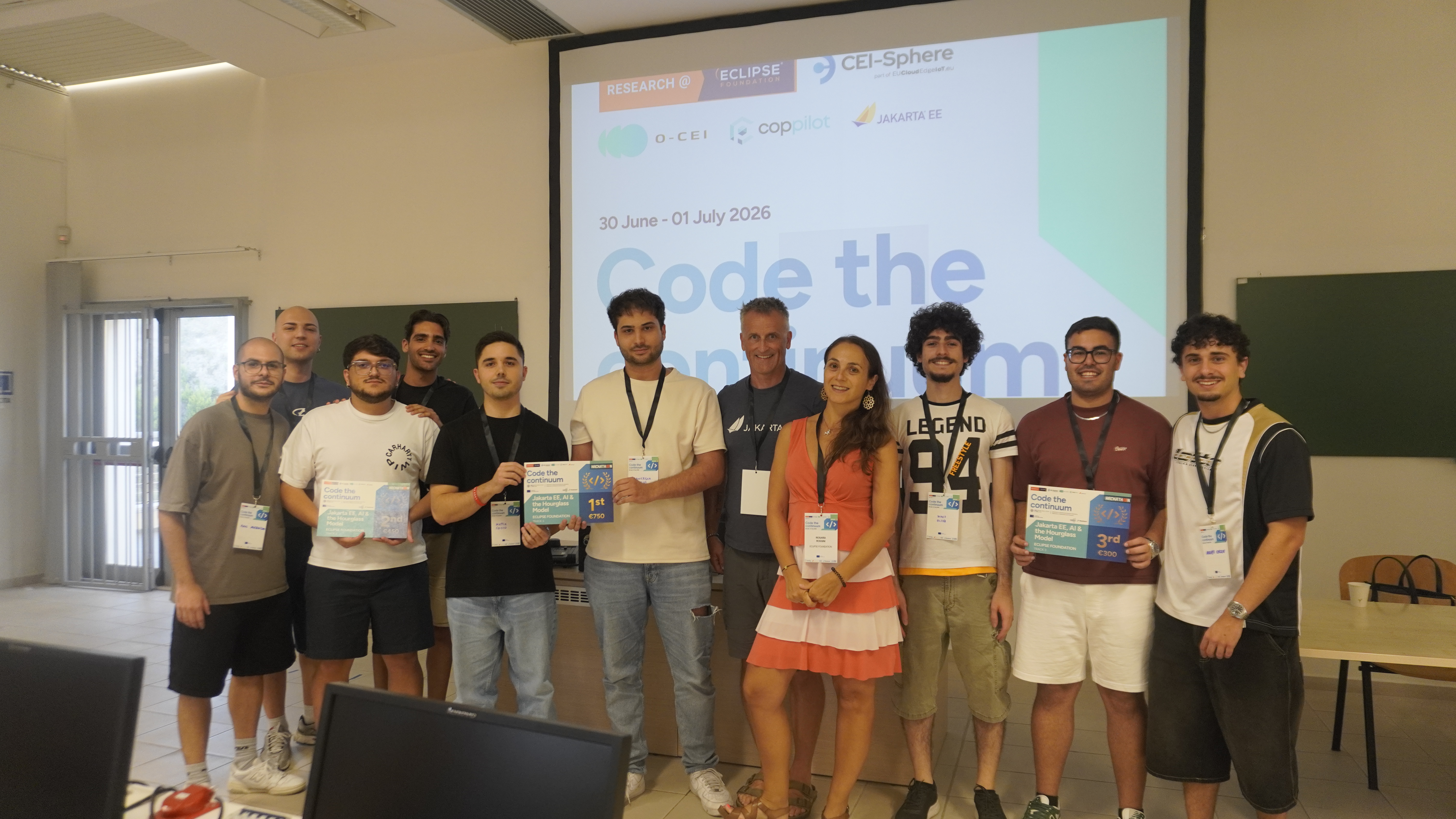
A total of €4,500 was awarded across the three tracks, with prizes of €750, €450 and €300 for the first-, second- and third-place teams in each challenge.
Beyond the prizes
Opportunities for the journey to continue
Selected teams may benefit from greater visibility through CeADAR, Ireland’s Centre for Applied AI, opening the door to possible future exchanges and collaboration opportunities.
Through the French space-technology company Parsimoni, selected participants may also have the opportunity to explore how their solutions could be adapted for satellite and in-orbit applications.
The people behind the event
Thank you to our hosts, mentors and participants
CEI-Sphere extends its sincere thanks to the University of Cagliari for hosting the Hackathon, and particularly to Giorgio Giacinto and Maurizio Atzori for their support.
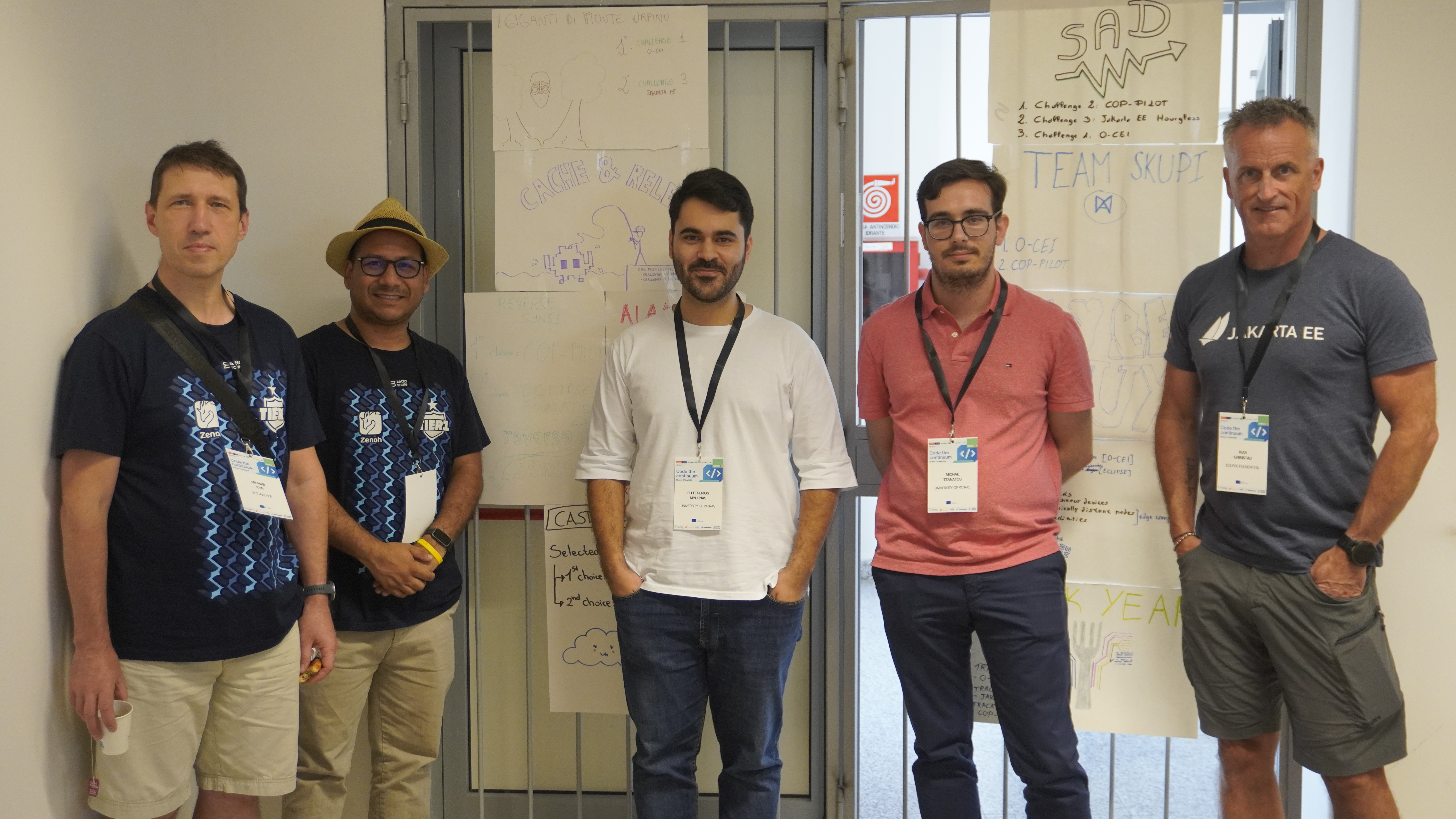
We also thank the mentors who guided the teams from their first ideas to the final prototypes: Ivar Grimstad, Rosaria Rossini, Lefteris Mylonas, Michail Tzanatos, Ivan Paez Anaya and Michael Ilyin.
Most importantly, thank you to every participant who contributed their time, skills, creativity and collaborative spirit.
Until the next challenge
Code the Continuum demonstrated what can happen when technical expertise, open technologies and collaborative problem-solving come together. We hope these two days in Cagliari mark the beginning of many new exchanges and future collaborations.