Overview
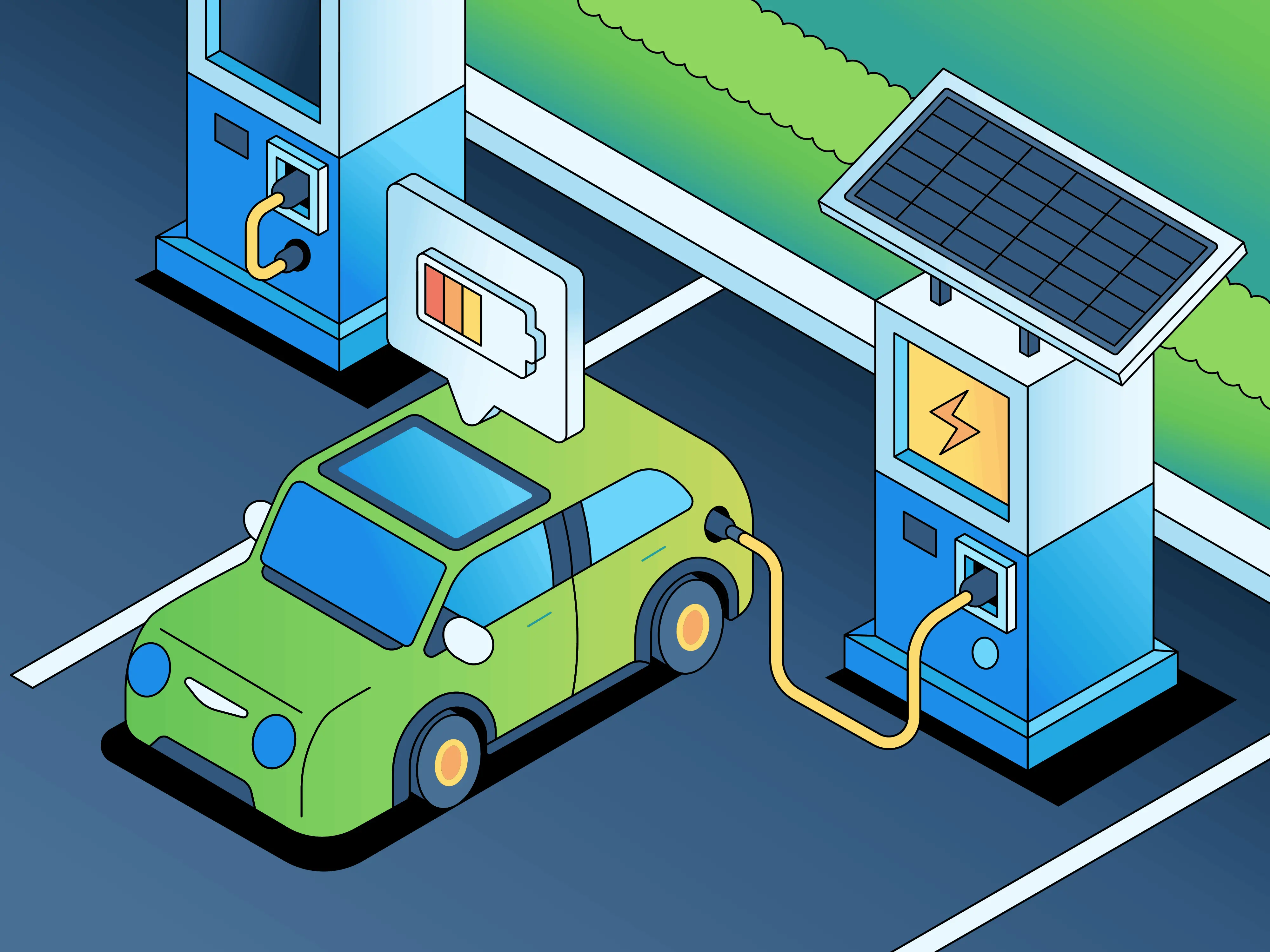
Transforms chargers into “intelligent” bidirectional elements, optimising grid power flow through O-CEI micro-services data management, and 5G’s low-latency, ensuring efficient load balancing and reduced environmental impact.
Expected Outcomes
- Measuring the cost saving enabled by smart charging from the Charging Point Operator’s perspective with respect to the single smart charging session impacting on the final cost for the customer.
- KPI: >5% of cost savings for the end user w.r.t. to the Italian market (average costs for a fast charge in DC in the range €1-€0.90 per kWh).
- Measuring the peak shaving capacity of the load area management system to improve grid stability.
- KPI: <0,1% daily peaks in power consumption.
- Measuring the effectiveness of the load area management system in the smart charging remote control.
- KPI: <0,01s reaction time to smart charging requests.
This use case is now available in the hourglass canvas, mapping the relevant stakeholders against the capabilities required for delivery and uptake. Explore it to identify who needs to be engaged, what is already in place, and where capability gaps remain
View this use case on the hourglass model



Explore the community around this use case

Energy and infrastructure resilience
The Energy and Infrastructure Sphere Discover more about sphere (opens in a new window)

Industrial optimisation and productivity
The Industrial Optimisation and Product..
Discover more about sphere (opens in a new window)